
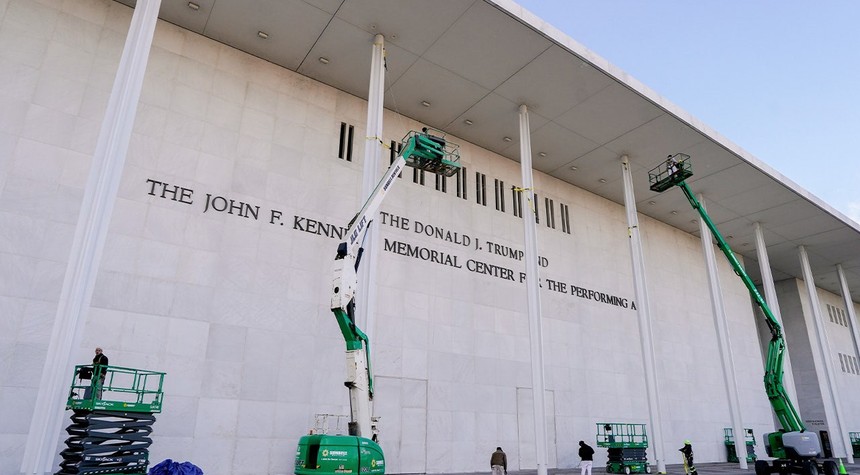
Officials at the Kennedy Center have released detailed documentation revealing the extent of deteriorating infrastructure within the nation’s performing arts venue, as debate continues over a proposal to temporarily close the facility for major renovations.
The materials, made public Wednesday, show water damage, corroded electrical systems, exposed steel reinforcement bars, and structural wear throughout the building. Photographs and video footage depict rust-streaked electrical equipment, concrete sections with visible internal supports, and ventilation systems held together with duct tape.
According to project documentation obtained by this publication, the Kennedy Center board is moving forward with a $257 million renovation effort to address what officials characterize as decades of deferred maintenance and critical infrastructure needs. The proposed repairs would require closing the center for up to two years.
The condition of the facility appears severe in several areas. Water infiltration has affected electrical systems beneath the building’s entrances. Large concrete panels weighing more than 2,000 pounds have reached what engineers describe as end-of-life status and present public safety concerns. Project materials identify hundreds of structural failure points, particularly in the parking garage areas.
The building’s iconic white marble exterior has suffered long-term damage, along with deterioration to concrete and core structural systems. Electrical vault rooms show evidence of extreme water damage, with wet surfaces and accumulated debris visible in photographs provided by the center.
While there appears to be general consensus that significant repairs are necessary, the timeline for action has become a point of contention. Meeting minutes from March 16 indicate that Representative Joyce Beatty of Ohio stated she had no opposition to the need for repairs but strongly opposed voting on a closure at that time. The congresswoman argued that insufficient time had been provided to review, study, and discuss the proposal.
Center officials have warned that without intervention, the deteriorating structural elements and water-damaged electrical systems could pose safety risks to visitors and staff. The overhead components nearing the end of their operational life represent particular concerns for public safety.
The disclosure of these conditions offers an unusually transparent look at the state of the facility as leadership works to build support for the renovation project. The extent of the problems documented in the newly released materials reinforces earlier assessments that pointed to significant infrastructure challenges.
The Kennedy Center, which opened in 1971 as a living memorial to President John F. Kennedy, serves as the nation’s cultural center and hosts performances ranging from symphony orchestras to Broadway productions. The facility draws millions of visitors annually and stands as one of Washington’s most recognizable landmarks along the Potomac River.
The debate over the renovation timeline reflects broader questions about how to balance the urgency of necessary repairs with the need for thorough review and planning. The two-year closure would represent a significant disruption to the capital’s cultural life, affecting scheduled performances and the many organizations that use the venue.
As officials continue to press their case for immediate action, the documentation they have provided paints a picture of a building in need of substantial attention after more than five decades of operation.
Related: Chainsaw Thrown at Deputies During High-Speed Chase on Washington Interstate
