
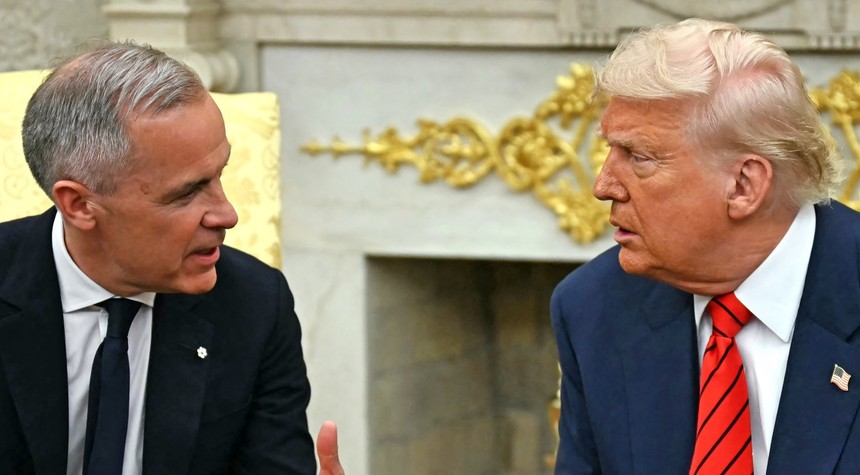
The protracted trade dispute between the United States and Canada may be approaching a turning point, with both governments signaling renewed diplomatic engagement just days before American voters head to the polls for midterm elections.
Canadian Prime Minister Mark Carney reported Monday that trade discussions with Washington have seen a “slight intensification” in recent days. President Donald Trump similarly moderated his tone over the weekend, telling reporters that a potential trade agreement with Canada would be “settled pretty soon.”
“They’re willing to give us anything at this moment,” the President added.
Prime Minister Carney, however, offered a markedly different assessment of the negotiating dynamics. “To the extent any progress has been made, it is because the U.S. is coming closer to our position,” he told reporters in Ottawa.
The apparent thaw in relations comes after months of escalating tensions. Following the collapse of advanced trade negotiations in August, the Trump administration imposed fifty percent tariffs on hundreds of categories of Canadian imports. Ottawa responded with reciprocal measures of equal severity.
The recent shift in tone followed a unilateral announcement by the United States late last week that it would lift certain tariffs on Canada while implementing others in their place. This tariff restructuring came at the request of Republican Senator Susan Collins, who faces a competitive reelection contest in Maine.
The political calculus behind this timing is difficult to ignore. Control of the United States Senate will be determined Tuesday by a handful of exceptionally close races, several of them in states bordering Canada where polling data indicates Trump’s tariffs have generated substantial public opposition.
In Alaska, candidates across the political spectrum have criticized the President’s trade war with Canada as harmful to consumers. Similar sentiment prevails in Michigan, where Republican Senate nominee and former Representative Mike Rogers has publicly called for an end to the trade dispute with Canada. The economies of these border states maintain deep commercial ties with their Canadian neighbors, making the tariff policies particularly consequential for local voters.
Over the weekend, Kevin Hassett, director of the National Economic Council, suggested that a trade agreement was imminent, stating that the U.S. and Canada are “very close to finally having a deal.” However, subsequent official statements from both governments have not substantiated such an optimistic assessment.
The Commerce Department, which oversees trade policy, did not provide comment when contacted Tuesday. A spokesperson for the Canadian minister responsible for trade with the United States offered only that “Canada remains in constructive dialogue with our U.S. counterparts on a range of priorities.”
Prime Minister Carney maintained his cautious stance Monday, noting uncertainty about whether American officials approaching renewed negotiations possessed different motivations this time. “We have very clear bottom lines, red lines, which meant that we were not willing to sign what was offered in August,” he said.
As voters prepare to cast ballots in what promises to be a consequential midterm election, the economic impact of the trade dispute remains a significant concern, particularly in those states where the commercial relationship with Canada directly affects jobs and consumer prices. Whether recent diplomatic overtures translate into substantive progress remains to be seen.