
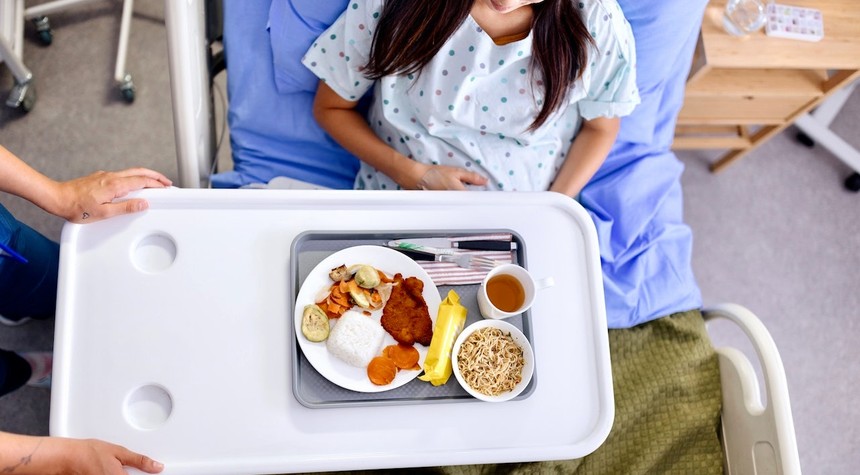
Two hundred fifty hospitals across the United States have committed to a federal initiative aimed at improving the nutritional quality of meals served to patients and staff, marking what health officials describe as a significant shift in how medical institutions approach food as part of patient care.
The Make Hospital Food Healthier Pledge, launched by the Department of Health and Human Services and the Centers for Medicare & Medicaid Services, addresses what many healthcare professionals acknowledge as a longstanding contradiction in American medical facilities. Patients recovering from surgery or managing chronic conditions frequently receive meals containing highly processed foods, refined carbohydrates, and added sugars that may not support their recovery.
The initiative represents more than administrative reform. It reflects a growing consensus among healthcare leaders that nutrition constitutes an essential component of medical treatment, not merely an afterthought to clinical care.
Current medical research demonstrates that proper nutrition supports wound healing, preserves muscle mass, strengthens immune function, and improves recovery outcomes for patients facing surgery, infections, or chronic illness. Conversely, malnutrition correlates with extended hospital stays, increased complications, and higher healthcare costs. These are not peripheral concerns but central factors in patient outcomes.
The pledge addresses another critical dimension of hospital care: patient education. Hospitals serve as teaching institutions where millions of Americans and their families learn health management practices that extend far beyond discharge. When a patient with complications from Type 2 diabetes receives medical treatment and dietary counseling, yet the institution serves meals that contradict that guidance, the message becomes muddled at best, counterproductive at worst.
Hospital meals should reinforce treatment plans rather than undermine them. This principle appears straightforward, yet its implementation has lagged behind other advances in medical care.
The federal initiative operates under the broader Make America Healthy Again movement, which seeks to elevate nutrition’s role throughout American healthcare. Administration officials argue that transforming healthcare requires changing not only federal policies but also the environments where Americans receive medical treatment.
Hospitals occupy a unique position in this effort. They care for society’s most vulnerable citizens, command community trust, and influence health practices through both direct treatment and example. Their participation in improving nutritional standards carries weight beyond their walls.
Former White House chef Andre Rush, who has joined efforts to promote healthier eating through various initiatives, represents a growing coalition of food professionals working alongside health officials to address these concerns. Their involvement underscores that improving institutional food requires both policy changes and practical expertise in food preparation and service.
The commitment from these 250 hospitals establishes what officials hope will serve as a template for broader institutional change. With approximately 6,100 hospitals operating across the nation, this initial group represents roughly four percent of American medical facilities. Whether this percentage grows will depend on both the success of early adopters and the continued emphasis federal health agencies place on nutritional standards.
The facts remain clear: Americans who enter hospitals expect care that promotes healing. The food served during their stay should support that expectation, not contradict it. These 250 institutions have now committed to meeting that standard.
Related: Man Accused of Vandalizing Historic War Memorial Released on Bond in Virginia