
The facts before us are stark and undeniable. The Colorado River, which has sustained the American West for generations, has reached a crisis point that threatens not merely regional interests but the nation’s food security.
Arizona stands to lose approximately 30 percent of its Colorado River allocation in 2027 and 2028 under mandatory restrictions imposed by the Bureau of Reclamation. These cuts became necessary after the seven states dependent on the river failed to reach a voluntary agreement on water management. The implications extend far beyond state boundaries.
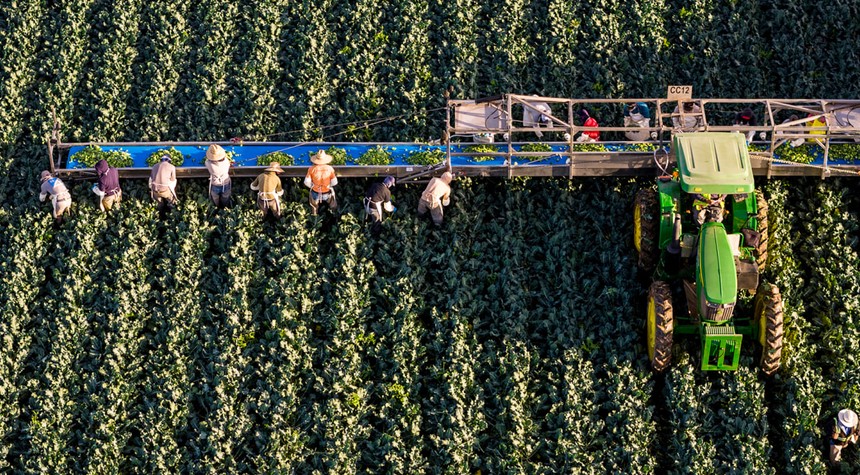
Yuma County, Arizona, produces 90 percent of the leafy greens Americans consume during winter months. This agricultural output depends entirely on Colorado River water. The region’s unique combination of fertile soil, abundant sunshine, and reliable irrigation has made it irreplaceable in the nation’s food system. From November through April, when other regions cannot sustain such crops, Yuma’s 180,000 acres supply North America with essential produce.
Each day during the growing season, between 2,500 and 3,000 semi-trucks depart Yuma County carrying fresh vegetables to markets across the continent. The operation represents a seasonal migration of equipment, labor, and logistics from California’s Central Valley, which handles summer production.
“If you cut us off at the knees, or if you restrict the water, it has a national impact,” said Jonathan Lines, a member of the Yuma County Board of Supervisors. “It’s a national security issue and a food security issue.”
The Colorado River serves approximately 40 million people across Western states. Its water generates electricity at dams on Lake Mead and Lake Powell, both of which reached record low levels this month. The river’s decline stems from a combination of overuse, persistent drought conditions, and long-term climate patterns.
Arizona’s water allocation system operates on a priority basis, with the oldest water rights receiving preference during shortages. Yuma County holds relatively senior rights, which should provide some protection in the immediate future. However, if the Bureau of Reclamation’s proposed ten-year management plan takes effect, even these established claims could face restrictions.
Sarah Porter, director of the Kyl Center for Water Policy at Arizona State University, indicated that while Yuma’s farmers may secure water for their immediate crop planning, the longer-term outlook remains uncertain.
The state has flourished for decades on Colorado River water, which enabled both suburban expansion and sophisticated desert agriculture. Now Arizona confronts a fundamental reckoning. The cuts will reshape its agricultural economy and force difficult decisions about resource allocation.
Tanya Hodges, executive director of the Yuma Center of Excellence for Desert Agriculture, emphasized the region’s unique position. Yuma holds the Guinness World Record for the most sunshine, and during the winter months, few alternatives exist for large-scale vegetable production in the United States.
The situation presents a test of American resourcefulness and policy-making. The nation’s food supply depends on finding solutions that balance competing demands for a diminishing resource. What happens in Arizona will affect dinner tables from Maine to Florida, from Washington to Texas.
That is the way it is. The Colorado River crisis has arrived, and the consequences will be measured not just in acre-feet of water, but in the food security of millions of Americans.
Related: Medicare Fraud Crackdown Recovers More Than $1.6 Billion in Improper Payments
