
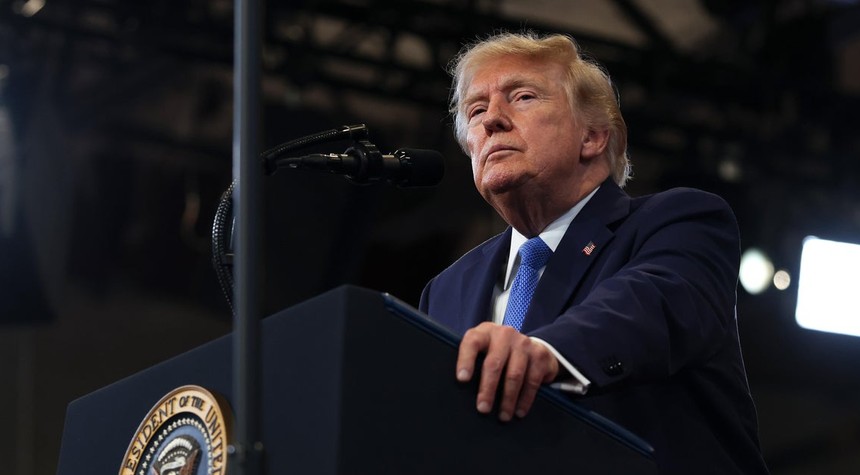
The United States has secured majority control of more than 60 billion barrels of proven Venezuelan oil reserves through a joint venture arrangement announced Friday by President Trump, marking a significant development in American energy policy following the military operation that changed Venezuela’s leadership earlier this year.
The agreement grants a private joint venture a 100-year concession to operate oil fields containing approximately 65 billion barrels of petroleum. The venture represents a partnership between the United States government and an experienced private operator with existing operations in Venezuela, according to administration officials.
Under the terms of this arrangement, the United States government will maintain 55 percent control of the joint venture. This controlling interest is divided between direct equity ownership and the right to purchase oil at cost. Administration officials characterize the venture as the world’s second-largest corporate owner of proven oil reserves, trailing only Saudi Arabia’s national oil company, Saudi Aramco.
The identity of the private companies participating in this venture has not been disclosed. However, only a limited number of foreign oil and gas companies have maintained operations in Venezuela in recent years. These include American-based Chevron, Spain-based Repsol, and Italy-based Eni. Chevron notably remained the sole major American company to sustain its presence in Venezuela through years of political upheaval and international sanctions.
President Trump emphasized the financial structure of the agreement, stating it was achieved “at no cost to the American Taxpayer” through private business partnership. He projected the deal would substantially reduce gasoline prices for American consumers while simultaneously supporting Venezuela’s economic recovery.
Secretary of State Marco Rubio outlined the economic implications, indicating the agreement will attract nearly $100 billion in private investment and support thousands of high-paying American jobs while facilitating Venezuela’s economic reconstruction.
Interim Venezuelan President Delcy Rodriguez confirmed the agreement, describing it as historic and estimating it will generate over $209 billion in tax revenue for the Venezuelan government. This represents a dramatic shift for a nation whose economy has suffered years of decline under previous leadership.
The agreement assumes particular significance given Venezuela’s energy resources. The South American nation possesses the world’s largest proven oil reserves at just over 300 billion barrels, according to the United States Energy Information Administration. By comparison, American reserves total less than 50 billion barrels. This deal would effectively more than double the oil reserves under American control.
However, considerable challenges remain. Venezuela’s oil industry has deteriorated significantly over decades of underinvestment, aging infrastructure, and restrictive sanctions. Many major American oil companies, including ConocoPhillips and ExxonMobil, departed Venezuela nearly two decades ago when former President Hugo Chávez nationalized their assets. This history has created understandable wariness among international energy companies regarding Venezuelan operations.
The Trump administration’s effort to stimulate oil investment in Venezuela represents part of a broader strategy to increase global oil supply and reduce prices. Yet expanding Venezuelan production to meaningful levels will require substantial time and capital investment to rehabilitate the country’s oil infrastructure.
This agreement follows the January military operation in which United States forces removed Nicolás Maduro, Chávez’s successor, from power, fundamentally altering Venezuela’s political landscape and creating the conditions for this energy partnership.
Related: Medicare Fraud Crackdown Recovers More Than $1.6 Billion in Improper Payments
