
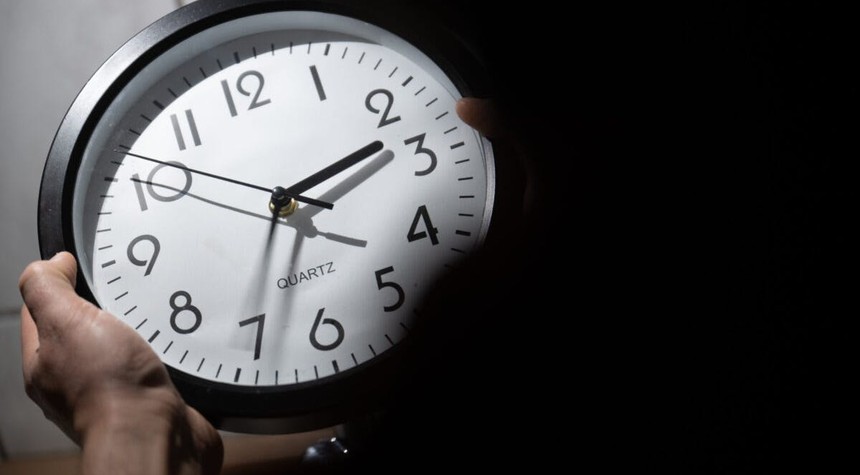
The United States House of Representatives voted Tuesday to make daylight saving time permanent across the nation, approving the measure by a substantial margin of 308 to 117. The legislation now advances to the Senate for consideration.
The Sunshine Protection Act, which has garnered support from President Donald Trump, would eliminate the practice of changing clocks twice each year, a ritual Americans have observed for decades. Under the proposed law, clocks would remain set to the time currently observed from March through November throughout the entire year.
The vote demonstrated significant bipartisan cooperation, though not without notable opposition. Twenty-two Republicans and 95 Democrats voted against the measure, raising concerns about potential consequences of the change.
President Trump has been vocal in his support for ending the clock-changing practice. Following the bill’s advancement from committee, he characterized the current system as a “ridiculous, twice-yearly production” and urged Americans to stop worrying about what he termed “the Clock.” The President has described permanent daylight saving time as “the far more popular alternative” and called upon Republican lawmakers to support the legislation.
The bill has found particularly enthusiastic backing among Florida’s congressional delegation. Representative Kat Cammack argued the change would better reflect her state’s identity, questioning why Americans continue changing their clocks at all. Representative Gus Bilirakis emphasized the practical nature of the legislation, stating that laws should keep pace with the people they serve and insisting the matter transcends political considerations.
However, the proposal faces meaningful skepticism from some quarters. Representative Steny Hoyer of Maryland expressed concern about children traveling to school in darkness during winter months. Senator Tom Cotton of Arkansas has similarly warned that permanent daylight saving time would push winter sunrises to unreasonably late hours.
Proponents of the change point to potential health and safety benefits. The American Heart Association has cited research showing increases in heart attacks and strokes in the days following the spring clock change. A University of Colorado Boulder study documented a 6 percent increase in fatal automobile crashes during the transition period.
The legislation would allow states to opt out of permanent daylight saving time, though they would need to do so before the law takes effect. Currently, most of Arizona, Hawaii, and several U.S. territories including Puerto Rico and the U.S. Virgin Islands do not observe daylight saving time.
The Senate must now consider the measure. Should it pass both chambers and receive the President’s signature, Americans would experience their final clock change, ending a practice that has long been a source of disruption and debate.
The question before the Senate is straightforward: whether the benefits of consistent timekeeping throughout the year outweigh the costs of later winter sunrises in northern latitudes. That is the way it is.
Related: Tesla Expands Robotaxi Service to Miami as Federal Safety Concerns Mount
