
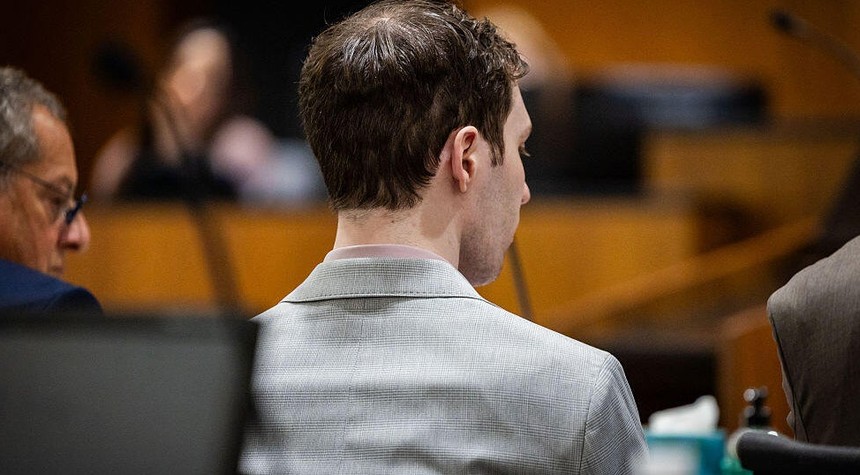
The preliminary hearing for Tyler Robinson, the man charged with the murder of conservative activist Charlie Kirk, entered its second day Wednesday with defense attorneys mounting challenges to the prosecution’s forensic evidence.
Robinson, 23, faces an aggravated murder charge in connection with Kirk’s September 10 assassination on the Utah Valley University campus. Prosecutors have indicated they will seek the death penalty if the case proceeds to trial.
At the heart of Wednesday’s proceedings was the reliability of DNA testing that prosecutors assert links Robinson to the suspected murder weapon. Defense attorneys questioned the validity of this evidence before state District Judge Tony Graf, who must determine whether sufficient evidence exists to bring Robinson to trial. Legal experts suggest the case will likely proceed beyond this preliminary stage.
The hearing, expected to conclude Friday, also revealed that prosecutors granted immunity to Robinson’s former roommate, Lance Twiggs, in exchange for recorded video statements about the case. State Bureau of Investigation Agent Brian Davis testified that Twiggs received “use immunity,” meaning prosecutors agreed not to use his statements against him in any criminal proceedings.
Twiggs’ April 20 interview was recorded specifically to avoid requiring his appearance at the preliminary hearing, Davis informed the court. The roommate was interviewed twice during the investigation, with FBI agents present during the initial interview on September 12, just two days after Kirk’s death.
Deputy Utah County Attorney Lauren Hunt indicated she anticipated defense objections to introducing the videotaped statements as evidence. Hunt expressed frustration with what she characterized as last-minute redaction requests from the defense team, noting that video redaction requires considerable time and technical effort.
According to court documents filed last September, Robinson and Twiggs shared an apartment in St. George, located in southwestern Utah, at the time of the shooting. Investigators assert that Robinson sent a text message to Twiggs on the day of the shooting admitting to the crime.
Additionally, Twiggs allegedly discovered a handwritten note beneath the keyboard of Robinson’s computer. The note reportedly stated, “I had the opportunity to take out Charlie Kirk and I’m going to take it.”
Robinson had no prior criminal record before his arrest in connection with Kirk’s death. He has not yet entered a plea, and his attorneys have declined to comment on questions of guilt or innocence. The defense team has, however, made unsuccessful attempts to have the death penalty removed as a sentencing option.
The case represents a significant moment in the ongoing national conversation about political violence. Kirk, a prominent conservative voice, was killed in what prosecutors describe as a premeditated assassination on a university campus.
As the preliminary hearing continues, Judge Graf faces the responsibility of weighing the evidence presented by both sides. The prosecution must demonstrate probable cause that Robinson committed the crime, a threshold generally considered easier to meet than the beyond-a-reasonable-doubt standard required for conviction at trial.
The proceedings will resume with additional testimony and evidence presentation before Graf renders his decision on whether the case will advance to trial.
Related: Hotel Staff Discover Two Children Left Alone While Parents Drank at Pool
