
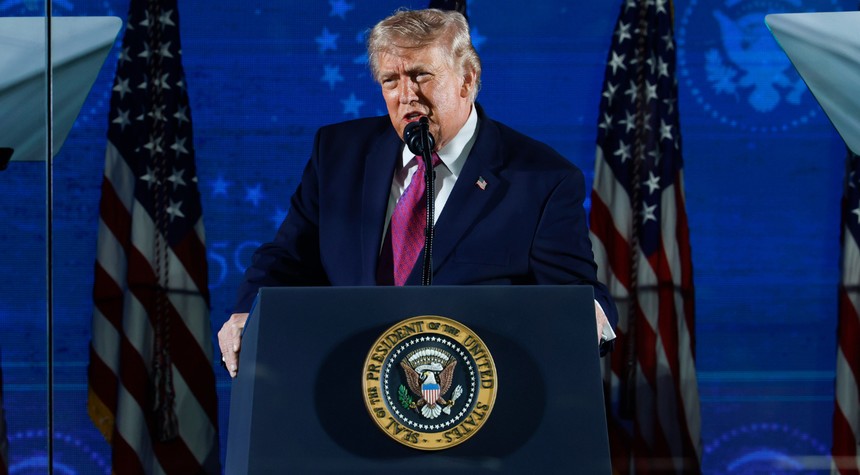
President Donald Trump has granted pardons to nine individuals convicted of violating the Clean Air Act through tampering with diesel vehicle emissions-control systems, a move that has drawn praise from Interior Secretary Doug Burgum and reignited debate over federal environmental regulations.
The President announced six of the pardons on Friday, characterizing the prosecutions as examples of regulatory overreach. According to the President’s statement, these individuals were punished for what he described as “fixing their car” and were “persecuted by the Biden Administration.”
A review of federal court records reveals that eight of the nine pardoned individuals were diesel mechanics or automotive tuners who faced prosecution for selling and installing devices commonly known as “defeat devices” into diesel trucks. These devices function by reprogramming vehicle computer systems to circumvent federally mandated emissions controls while simultaneously suppressing diagnostic warning indicators.
The technical specifications of modern diesel emissions systems require these controls to remain operational. When these systems detect malfunctions or tampering, many diesel trucks automatically enter what mechanics refer to as “limp mode,” a safety feature that severely restricts vehicle speed, in some cases to as little as five miles per hour, until the emissions system is properly restored to factory specifications.
The pardons arrive amid broader efforts by the Trump administration to reassess environmental regulations that industry advocates argue impose excessive burdens on American workers and businesses. Interior Secretary Burgum publicly thanked the President for his leadership in addressing what he termed “job-killing, community-killing” regulations affecting various industries, including commercial fishing.
The Clean Air Act violations in question stem from enforcement actions that targeted the aftermarket automotive industry, where mechanics and tuning shops modify vehicles for enhanced performance or to address operational issues. Defenders of these modifications argue that emissions controls can reduce vehicle performance and create maintenance challenges for working Americans who depend on their trucks for their livelihoods.
Federal prosecutors under the previous administration pursued these cases as part of broader environmental enforcement efforts, arguing that defeat devices contribute to air pollution and undermine public health protections established through decades of environmental legislation.
The pardons reflect a fundamental disagreement between the current administration and environmental regulators over the appropriate balance between economic freedom and environmental protection. Supporters of the President’s action contend that federal regulations have grown increasingly burdensome, particularly for small business owners and working-class Americans who face steep fines and criminal prosecution for what they view as necessary vehicle maintenance.
Critics of the pardons maintain that emissions controls serve vital public health functions and that tampering with these systems contributes to air quality degradation in communities across the nation.
The clemency grants represent the latest chapter in ongoing tensions between federal environmental enforcement and those who argue for reduced regulatory intervention in private enterprise and individual vehicle ownership. As the administration continues to review environmental regulations across multiple sectors, these pardons signal a clear shift in enforcement priorities from the previous administration’s approach.
Related: Deadly Heat Wave Claims 25 Lives as 40 Million Americans Face Extreme Temperatures
