
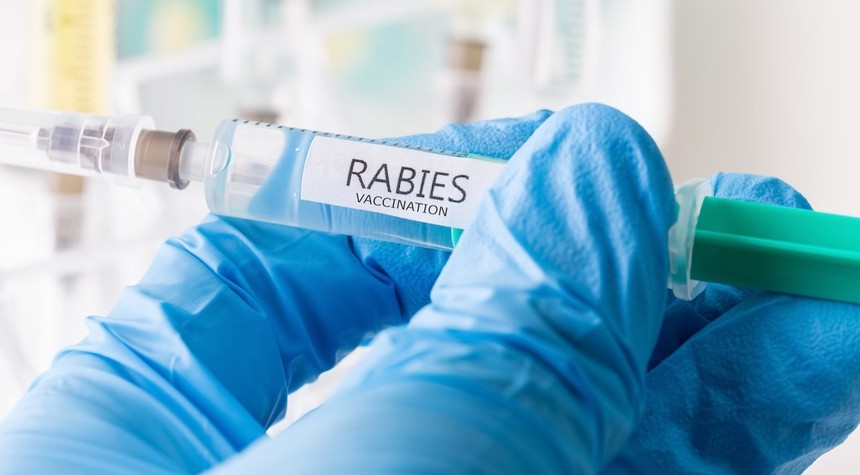
An eleven-year-old boy in Ontario, Canada, has died from rabies following an encounter with a bat at a family cottage, according to a report published Monday in the Canadian Medical Association Journal.
The medical journal did not release the names of the child or his family members, but detailed the circumstances that led to this tragic and preventable death. The incident occurred during what should have been an ordinary family vacation to a cottage in northern Ontario.
According to the family’s account, the boy awoke one night to find a bat on his nose and mouth. He swatted the animal away from his face, and his father subsequently captured the bat using a cooking pot before releasing it outside. The family brought the child to a hospital nineteen days after this encounter, once symptoms had already begun to manifest.
This case serves as a sobering reminder of the lethal nature of rabies and the critical importance of immediate medical intervention following any contact with potentially rabid animals. Rabies remains one of the deadliest infectious diseases known to medicine, with a fatality rate approaching one hundred percent once symptoms appear.
The tragedy underscores a fundamental gap in public awareness about rabies transmission and prevention. When a bat makes physical contact with a person, particularly around the face and mouth area, medical authorities uniformly recommend immediate evaluation and potential post-exposure prophylaxis treatment. This treatment, which consists of a series of vaccinations, is highly effective when administered before symptoms develop but becomes virtually useless once the disease progresses.
Bats represent the primary source of human rabies deaths in North America today. Unlike other rabid animals, bats can inflict bites so small they may go unnoticed or seem insignificant. Public health officials have long emphasized that any direct contact with a bat warrants medical consultation, regardless of whether a bite or scratch is visible.
The Canadian Medical Association Journal’s decision to publish this case reflects the medical community’s ongoing efforts to educate the public about rabies risks. Such fatalities have become exceedingly rare in developed nations precisely because of widespread awareness and the availability of effective post-exposure treatment. When deaths do occur, they typically involve situations where individuals did not recognize the danger or failed to seek timely medical care.
This incident in Ontario stands as a stark reminder that certain health threats require immediate action. The window for effective rabies intervention closes rapidly, and hesitation can prove fatal. Parents and outdoor enthusiasts must understand that any wildlife encounter involving physical contact demands prompt medical evaluation, regardless of how minor the incident may appear at the time.
The loss of this young life represents not merely a personal tragedy for one family but a cautionary tale for all who venture into areas where bats and other wildlife are present. In an age of modern medicine, rabies deaths remain entirely preventable through proper awareness and timely treatment.
Related: Tacoma Firefighters Narrowly Escape Electrical Room Explosion at Apartment Complex
