
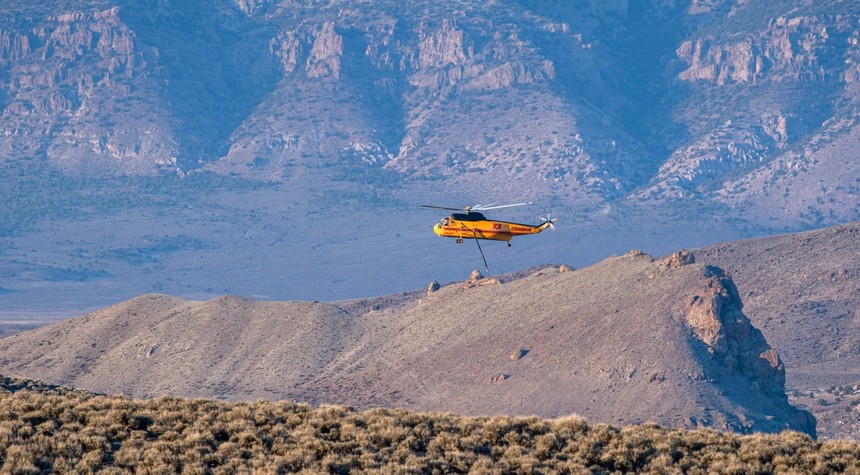
Communities across the American Southwest found themselves under siege this weekend as dangerous fire conditions threatened to expand already substantial wildfires burning through Utah, Nevada, and New Mexico.
The National Weather Service issued its most severe warning on Saturday, designating an “extremely critical risk” of fire weather across the Great Basin and Four Corners regions. This highest threat level reflects a convergence of conditions that firefighters describe as among the most challenging they face: gusty winds, exceptionally dry air, and vegetation that has been desiccating since March.
The situation has been further complicated by dry thunderstorms moving through the region. These weather systems bring frequent lightning strikes capable of igniting new fires, yet deliver no meaningful rainfall to assist containment efforts. The parched landscape provides ready fuel for flames, creating a cycle that makes every new ignition a potential catastrophe.
The Cottonwood Fire in Beaver County, Utah, stands as the most alarming example of the crisis now unfolding. After five days of burning, the blaze has consumed more than 92,000 acres and remains zero percent contained. Low humidity combined with high winds drove rapid expansion on Friday, and while conditions were expected to moderate somewhat on Saturday, the respite appears temporary. As afternoon temperatures rise and winds increase, fire managers anticipate continued growth.
Alyssa Mason, speaking on behalf of the fire’s emergency management team, acknowledged the grim reality facing crews on the ground. No estimate exists for when containment might be achieved. The vegetation fueling this fire has been drying for months, creating a tinderbox across thousands of square miles.
The human cost extends beyond the immediate fire zones. Air quality in the Marysvale area is forecast to deteriorate to unhealthy levels by Saturday afternoon and evening. Health officials have issued warnings for sensitive populations, including children, pregnant women, the elderly, and individuals with cardiovascular or respiratory conditions. These groups have been advised to avoid outdoor physical activity entirely.
The current crisis represents more than an isolated emergency. It reflects broader patterns that fire scientists have documented across the West: earlier fire seasons, more intense blazes, and conditions that challenge traditional firefighting strategies. Vegetation that once retained moisture well into spring now dries weeks or months earlier, extending the window of vulnerability.
As the weekend progresses, emergency management officials across the Southwest remain vigilant. Additional resources have been positioned throughout the region, prepared to respond as conditions dictate. For now, residents in affected areas can do little but monitor official communications, prepare evacuation plans, and hope that forecasted weather changes materialize before the situation deteriorates further.
The coming days will prove critical in determining whether these fires can be brought under control or whether they will join the growing list of megafires that have redefined wildfire management in the American West.
Related: John Bolton Pleads Guilty to Retention of Classified Information
