
The United States finds itself at a critical juncture in its confrontation with Iran, as diplomatic negotiations proceed in Switzerland even as military tensions escalate to alarming levels.
President Donald Trump authorized additional military strikes against Iranian targets Saturday evening, marking the second American retaliation since both nations signed a memorandum of understanding intended to halt hostilities. The strikes targeted Iranian missile and drone storage facilities as well as coastal radar installations, according to statements from U.S. Central Command.
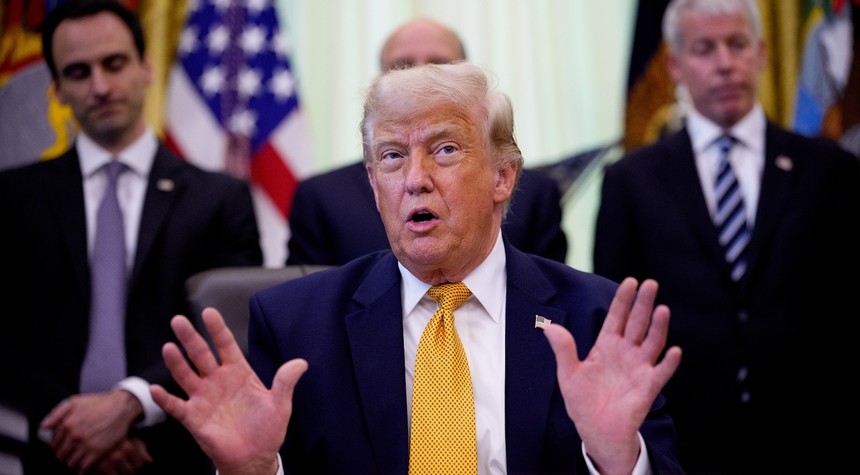
The President’s response to what he characterized as repeated violations of the ceasefire agreement carried an unmistakable warning. In a social media statement Saturday evening, Trump declared that Iran may “never learn” from these military consequences and suggested American patience has limits.
“There may come a point when we are no longer able to be reasonable, and will be forced to militarily complete the job that we very successfully started,” the President wrote. He added a stark ultimatum: “If that happens, the Islamic Republic of Iran will no longer exist.”
These developments unfold against the backdrop of ongoing peace negotiations at the Bürgenstock resort in Switzerland, where delegations from both nations arrived over the weekend. The talks aim to produce a comprehensive war-ending agreement building upon the memorandum of understanding signed last week.
The current crisis stems from major combat operations President Trump announced on February 28, when massive joint American and Israeli forces struck military, government, and infrastructure targets throughout Iran. Those operations represented a significant escalation in the regional conflict that has simmered for months.
The President’s characterization of Iranian actions reveals his administration’s growing frustration with Tehran’s conduct. He labeled the first Iranian strike following the memorandum as a “foolish violation of the ceasefire agreement.” The subsequent attack, which prompted Saturday’s American response, drew even sharper condemnation as evidence Iran had violated the ceasefire “again.”
The situation presents a diplomatic paradox. While negotiators work toward a permanent resolution in the neutral setting of a Swiss mountain resort, military forces on both sides remain engaged in a dangerous cycle of attack and retaliation. Each strike tests the fragile framework established by the memorandum of understanding and raises questions about whether diplomacy can succeed when military action continues.
The President’s threat to end the Islamic Republic entirely represents perhaps the most severe warning issued by an American president toward Iran in recent memory. Whether this constitutes negotiating leverage or a genuine red line remains unclear, though the administration’s willingness to conduct repeated strikes demonstrates its commitment to enforcing what it views as ceasefire terms.
As these negotiations continue, the world watches to see whether reason and diplomacy can prevail, or whether, as the President suggested, there will come a point when the United States is no longer able to be reasonable. The stakes could hardly be higher for regional stability and global security.
Related: Federal Judge Declares Mistrial in Palisades Fire Case After Jury Deadlocks
