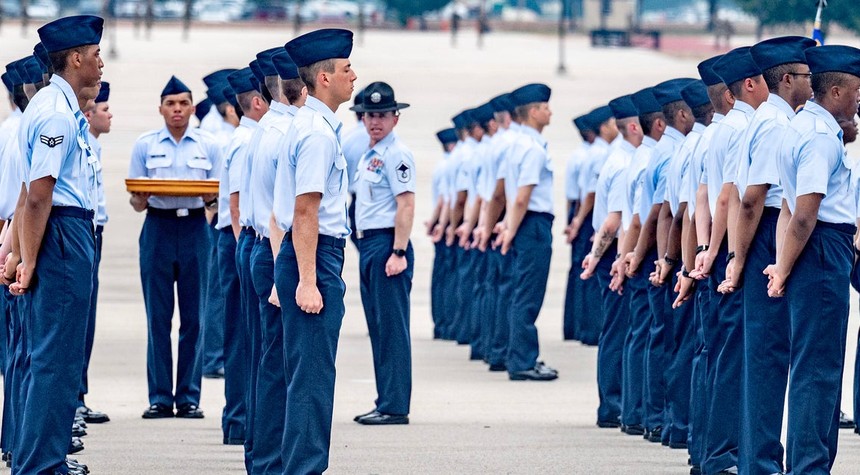
The United States military has quietly reinstated mandatory flu vaccinations for new recruits across all service branches, marking a significant exception to Defense Secretary Pete Hegseth’s broader policy shift toward voluntary immunization earlier this spring.
A Pentagon official confirmed Wednesday that the requirement took effect in early June, applying specifically to recruits and other service members living in close quarters. The decision comes as Lackland Air Force Base in Texas confronts a flu outbreak that has infected 275 individuals in recent weeks. Lackland serves as home to the Air Force’s Basic Military Training program, where thousands of recruits live and train in communal barracks.
The timing of these developments warrants careful examination. Military leadership began the process of reinstating the flu vaccine mandate before the Lackland outbreak became public knowledge, suggesting the decision stemmed from broader operational concerns rather than reactive crisis management.
Secretary Hegseth announced in late April that the annual flu vaccine would become voluntary for all service members, effective immediately. In a video statement, he characterized the previous mandatory policy as “overly broad and not rational.” The announcement represented a significant departure from decades of military medical protocol, which has long required various immunizations as a condition of service.
However, within weeks of that announcement, all military departments formally requested exemptions to the voluntary policy. By early June, those exemptions had been granted. The exemptions apply to what military planners term vulnerable populations: recruits and trainees living in barracks, healthcare workers who interact with patients, and other service members whose duties or living conditions place them at heightened risk of disease transmission.
At Lackland Air Force Base, military medical personnel have implemented standard outbreak mitigation measures. Officials are monitoring trainees who may have been exposed to the virus and treating symptomatic cases with antiviral medications including Tamiflu. An Air Force spokesperson indicated last week that the situation remains under control, though the number of infections continues to be tracked.
Chief Pentagon spokesman Sean Parnell confirmed in a statement that exceptions to the voluntary flu vaccine policy have been issued, though he provided limited detail about the scope or rationale for the exemptions.
The developments raise questions about the practical implementation of voluntary vaccination policies in military environments. Unlike civilian workplaces, military installations often house thousands of young adults in close quarters, creating conditions that public health experts have long recognized as conducive to rapid disease transmission. Basic training facilities present particularly acute challenges, as recruits arrive from across the nation, bringing with them varying levels of immunity and exposure to different viral strains.
The military’s decision to carve out exceptions for recruits and other high-risk populations suggests an acknowledgment of these realities. Whether this approach represents a workable compromise between individual choice and operational readiness, or merely a temporary adjustment to an unworkable policy, remains to be seen. What is certain is that military medical planners continue to grapple with the tension between voluntary health measures and the unique demands of military service.
Related: Justice Department Investigates Brooklyn Coffee Shop After Congressman Refused Service