
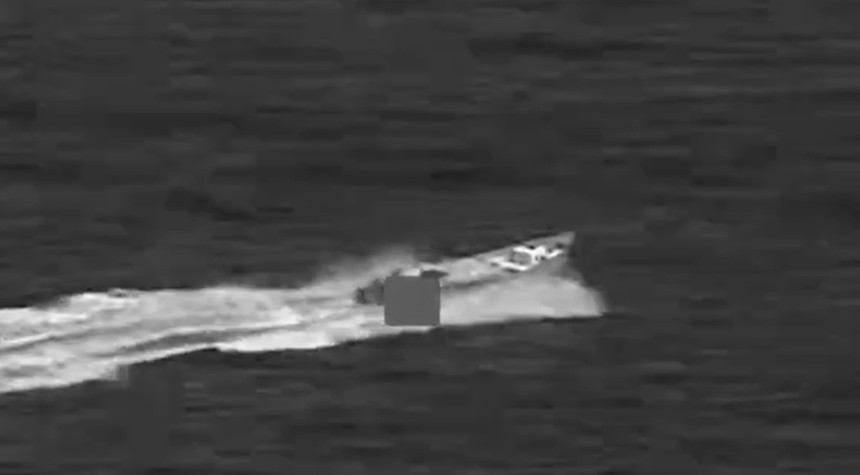
U.S. Southern Command reported Tuesday evening that a military strike on a suspected drug trafficking vessel in the eastern Pacific resulted in one fatality and two survivors.
The strike represents the latest action in a campaign that began in early September and has now claimed at least 193 lives. According to military officials, the targeted boat was operated by what they described as a designated terrorist organization, traveling along established narcotics trafficking routes and engaged in drug smuggling operations.
Video footage released by the command shows the moment of impact, with the vessel breaking apart into two burning sections. Military personnel immediately contacted the U.S. Coast Guard to initiate search and rescue operations for survivors.
The facts surrounding this campaign raise significant questions that deserve the American people’s attention. The military has not provided evidence confirming that any of the struck vessels were actually carrying narcotics. When pressed on this matter, a Southern Command spokesperson cited operational security concerns, stating the military cannot discuss specific sources or methods used to identify targets.
President Trump has characterized these operations as part of an armed conflict with Latin American drug cartels. The administration maintains these strikes represent a necessary escalation to prevent illegal drugs from entering American territory. Earlier this month, the White House announced the President had approved a new counterterrorism strategy placing the elimination of Western Hemisphere drug cartels as the nation’s highest priority in this domain.
The administration has also pressed regional governments to increase cooperation with American forces and to conduct their own military operations against drug traffickers and transnational criminal organizations. The President has described these groups as posing an unacceptable threat to hemispheric security.
However, questions regarding the legal foundation for these attacks have emerged from various quarters. The campaign’s first strike occurred on September 2nd. In early December, the administration faced considerable scrutiny after confirming reports that this initial attack had resulted in complications not immediately disclosed to the public.
The strikes have targeted vessels in both the eastern Pacific Ocean and the Caribbean Sea, waters where drug smuggling has long posed challenges to American law enforcement and military operations. The administration’s approach represents a significant departure from previous counternarcotics strategies, which typically emphasized interdiction and arrest rather than direct military strikes.
As this campaign continues, the American people deserve transparent answers about the intelligence used to identify these vessels, the rules of engagement governing these strikes, and the legal framework under which American military forces are conducting offensive operations in international waters. The fight against drug trafficking remains a legitimate national security concern, but the methods employed must withstand scrutiny and align with American values and international law.
The facts, as they stand, present a complex picture that warrants continued attention and careful examination.
Related: Chicago Alderman Challenges Mayor’s Response to Memorial Day Teen Violence
