
Meta Platforms is developing an artificial intelligence replica of Chief Executive Officer Mark Zuckerberg, designed to interact with company employees using the executive’s mannerisms and strategic thinking.
The initiative represents the latest development in Meta’s ongoing effort to integrate artificial intelligence throughout its operations. According to reports from the Financial Times, the company has been working on photorealistic, interactive AI characters for some time, but has recently elevated the Zuckerberg AI project to a priority position within its development pipeline.
The AI character is being trained to emulate Zuckerberg’s distinctive mannerisms and his approach to company strategy. The stated purpose is to provide employees with a means of connecting with the chief executive, presumably when direct interaction with Zuckerberg himself is not feasible.
Zuckerberg has taken a notably active role in the development of these AI systems. Sources indicate he is dedicating between five and ten hours each week to various artificial intelligence projects within the company, demonstrating what insiders describe as an increasingly hands-on approach to Meta’s AI initiatives.
The implications of this technology extend beyond internal company use. Individuals familiar with the matter suggest that if the program proves successful with the Zuckerberg replica, Meta may expand the technology to serve influencers and content creators. Such an expansion would potentially allow public figures to maintain a form of digital presence and interaction with audiences without requiring their direct, continuous involvement.
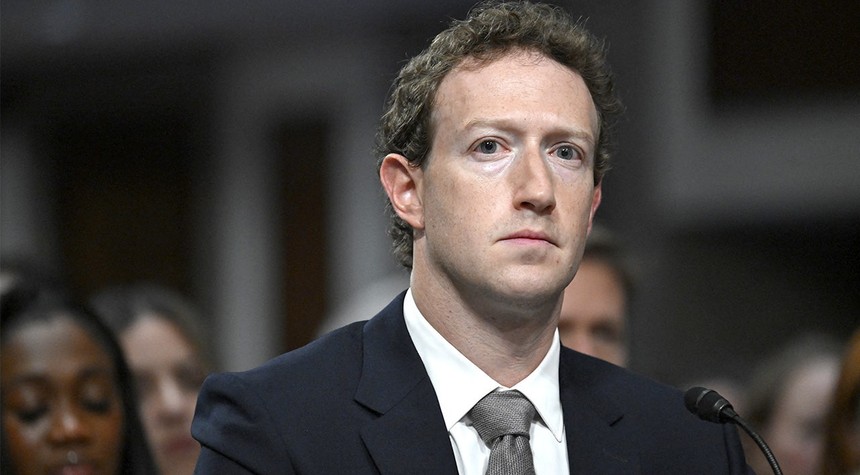
This development comes at a complex time for Meta. The company faces ongoing scrutiny regarding the impact of its platforms on young users, with legal challenges mounting from parents who hold the company accountable for harm allegedly caused by its products. Zuckerberg himself has been called to testify in proceedings where grieving families seek accountability for deaths they attribute to social media addiction and related harms.
The juxtaposition is striking. While Meta faces questions about the human cost of its existing platforms, it simultaneously pursues technology that would create AI-generated versions of human beings, starting with its own chief executive.
The technology raises questions about the future of corporate leadership and communication. If an AI can successfully replicate a CEO’s decision-making patterns and communication style, what does that mean for the nature of executive leadership? What are the boundaries between authentic human interaction and algorithmically generated responses, even when those responses are modeled on a real person?
Meta has not provided detailed public comment on the specifics of the AI Zuckerberg project or its timeline for implementation. The company’s broader push into artificial intelligence continues across multiple fronts, from consumer-facing features on Facebook and Instagram to internal tools and infrastructure.
As artificial intelligence becomes increasingly sophisticated, the ethical and practical questions surrounding its use multiply. Meta’s decision to create an AI version of its own chief executive may well serve as a test case for how such technology can be deployed in corporate settings, for better or worse.
Related: ICE Detains Fugitive Brazilian Spy Chief Sentenced in Coup Plot
