
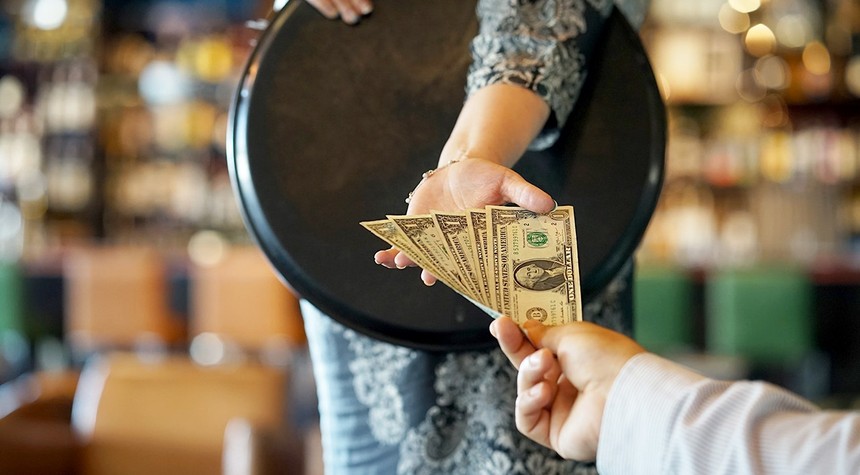
Kansas City faces an unusual dilemma as it prepares to welcome international visitors for six World Cup matches: how to ensure restaurant workers receive fair compensation when many foreign guests may not understand American tipping customs.
The Missouri Restaurant Association has proposed a temporary solution that is generating considerable debate. The organization is advising Kansas City establishments to implement an automatic 20% gratuity on all bills during the tournament, a measure designed to protect servers from inadvertent stiffing by tourists unfamiliar with American service industry practices.
Mike Burris, executive director of the Missouri Restaurant Association, estimates that local restaurants and bars stand to generate between $60 million and $90 million during the World Cup. However, this windfall comes with a complication that American hospitality workers rarely face on home soil.
“Of all the countries coming here, some of them will know about tipping, and some of them don’t know anything about it,” Burris explained. “If I was a server, I wouldn’t be too happy if I took care of somebody for 90 minutes, and they didn’t tip just because they didn’t know any better.”
The proposal reflects a fundamental cultural divide. In much of Europe and other parts of the world, service charges are typically included in restaurant bills, and additional tipping is either minimal or nonexistent. American servers, by contrast, often earn a base wage well below minimum wage, relying on gratuities to make a living wage.
Trey Meyers, director of marketing and communications for the Missouri Restaurant Association, defended the temporary measure as both practical and necessary. He suggested that international visitors will “automatically figure that gratuity is looped into the bill,” making the transition seamless for tourists while protecting workers’ income.
“As a temporary measure, this makes a lot of sense,” Meyers said. “We don’t want servers to be slighted by any means just because different cultures are coming into our city.”
The proposal has rekindled broader debates about American tipping culture. Derek Simms, chief executive of Texas-based Simms Hospitality Group, has argued that gratuities remain an essential incentive structure. He contends that variable pay tied to performance encourages stronger effort from workers while giving guests the flexibility to reward exceptional service.
Yet the Kansas City situation highlights an inherent weakness in this system: it assumes all diners understand and accept American tipping conventions. When that assumption fails, as it may with thousands of international visitors, workers bear the financial consequences through no fault of their own.
The automatic gratuity proposal represents a pragmatic, if imperfect, response to this challenge. Whether it becomes a model for other American cities hosting major international events, or remains a temporary expedient for Kansas City alone, remains to be seen.
What is certain is that the collision of cultures during the World Cup will test the resilience of American service industry practices in ways that few could have anticipated when the matches were first scheduled for Kansas City.
Related: Trump Administration Releases Previously Classified Reports on Unexplained Aerial Phenomena
