
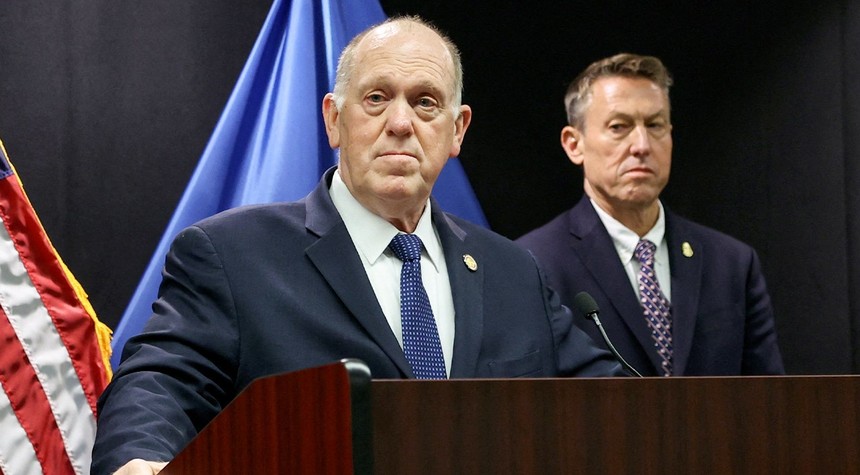
The Trump administration has announced a significant shift in its immigration enforcement strategy in Minneapolis, withdrawing 700 federal immigration officers from Minnesota following weeks of heightened tensions and civil unrest in the state.
Border czar Tom Homan, dispatched by President Donald Trump to manage the escalating situation, confirmed the drawdown of federal personnel while emphasizing what he described as unprecedented cooperation from local law enforcement agencies. The decision marks a notable tactical adjustment in the administration’s approach to enforcing immigration law in jurisdictions that have historically resisted federal efforts.
Minneapolis has emerged as a focal point of conflict between federal immigration enforcement agents and local activists in recent weeks. The situation reached a critical juncture following the shooting deaths of Renee Good and Alex Pretti during immigration enforcement operations. These incidents sparked widespread protests and drew sharp criticism from municipal leaders.
Minneapolis Mayor Jacob Frey issued a profane public statement demanding that Immigration and Customs Enforcement agents leave his city immediately following Good’s fatal shooting. The mayor’s confrontational stance reflected broader tensions between the federal government and local officials who have opposed aggressive immigration enforcement measures within their jurisdictions.
The friction in Minneapolis has also raised questions about coordination within the administration’s immigration enforcement apparatus. Speculation emerged regarding potential disagreements between Department of Homeland Security Secretary Kristi Noem and Homan over operational tactics. However, a White House official moved quickly to dismiss these reports, stating that both officials are working in concert to implement the president’s immigration agenda.
The administration’s decision to reduce its federal presence in Minnesota represents a pragmatic recalibration rather than a retreat from its broader immigration enforcement priorities. By emphasizing cooperation with local police forces willing to assist federal efforts, the White House appears to be pursuing a more sustainable approach that relies less on large-scale federal deployments in hostile jurisdictions.
This strategic pivot comes as the Trump administration continues to face resistance from Democratic-led cities and states that have enacted sanctuary policies designed to limit cooperation with federal immigration authorities. The confrontation in Minneapolis has illustrated the practical challenges of enforcing federal immigration law in communities where local leadership actively opposes such efforts.
The withdrawal of 700 officers from Minnesota will likely redirect these resources to other regions where federal agents face less local opposition. This reallocation reflects the administration’s recognition that effective immigration enforcement requires either local cooperation or an unsustainable commitment of federal resources in resistant jurisdictions.
As the situation in Minneapolis stabilizes, the broader implications of this strategic adjustment remain to be seen. The administration’s willingness to modify its tactical approach suggests a learning curve in implementing its immigration priorities while managing the political and operational complexities that arise when federal and local authorities find themselves at odds.
Related: Florida Man Turns Cold-Stunned Invasive Iguanas Into Tacos
