
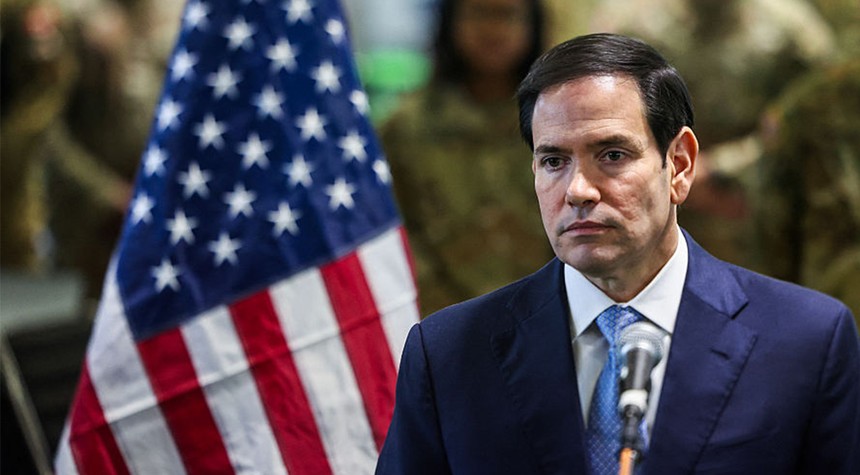
The Trump administration has moved to clarify the origins and intent of its latest peace proposal for Ukraine, following confusion among lawmakers who suggested the plan represented Russian demands rather than American diplomatic efforts.
The confusion emerged after members of Congress indicated they had been briefed by White House officials that the proposal came from the Russian side. Secretary of State Marco Rubio has since corrected that characterization in emphatic terms.
Senator Mike Rounds of South Dakota explained the situation at a press conference, stating that Rubio made clear the administration received a proposal delivered to one of its representatives. Rounds emphasized that it was not the administration’s recommendation or peace plan, but rather a proposal that was received and subsequently shared. He noted that the document was leaked rather than officially released.
Senator Angus King of Maine, an independent, reported that Rubio described the document to lawmakers as a Russian “wish list” rather than the administration’s plan. Rubio responded to this characterization directly through social media, asserting that the peace proposal was in fact authored by the United States.
The Secretary of State further explained that the document serves as a strong framework for ongoing negotiations. He noted that while it incorporates input from the Russian side, it also draws upon previous and ongoing input from Ukraine.
Senator Rounds issued a follow-up statement through his press office acknowledging the clarification. He expressed appreciation for Secretary Rubio’s briefing on the administration’s efforts to achieve peace by incorporating input from both Russia and Ukraine in reaching a final agreement.
Secretary Rubio traveled to Geneva on Sunday to meet with Ukrainian officials. Accompanying him was Army Secretary Dan Driscoll. The meetings are expected to address concerns from Kyiv regarding the proposed framework.
President Trump himself issued a pointed statement regarding the peace negotiations on Sunday, expressing frustration with what he characterized as a lack of gratitude from Ukrainian leadership for American efforts. He also criticized Europe for continuing to purchase oil from Russia.
While the current agreement has not been officially released to the public, reports based on leaked drafts suggest the framework includes provisions to halt fighting in Ukraine. The reported terms would grant Russia concessions including control over Ukrainian territory not yet under Russian military control. The framework would also reportedly bar Ukraine from membership in the North Atlantic Treaty Organization.
The diplomatic developments come as the administration seeks to broker an end to the conflict that has persisted since Russia’s invasion. The negotiations represent a significant test of the administration’s approach to foreign policy and its relationship with both Moscow and Kyiv.
The coming days will prove critical as Secretary Rubio continues discussions with Ukrainian officials in Geneva. The success or failure of these negotiations will have far-reaching implications for European security and America’s role in resolving one of the most significant military conflicts of the twenty-first century.
Related: Authorities Search for Woman Who Stabbed Classmate 19 Times as Child
