
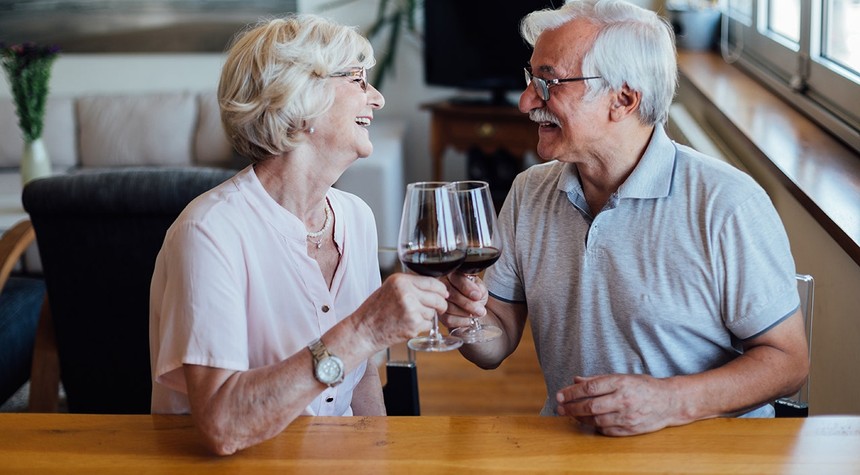
Minnesota has taken a significant step in expanding personal freedoms for its elderly residents. Governor Tim Walz signed legislation Tuesday that authorizes nursing homes and assisted living facilities to serve alcohol to residents without obtaining a liquor license, effectively ending a prohibition that had long prevented organized social gatherings involving alcoholic beverages in these facilities.
The measure, which supporters have dubbed the “Grandparents’ Happy Hour” law, addresses what many considered an unnecessary restriction on the daily lives of senior citizens. Under previous Minnesota statutes, facilities were barred from organizing any events that included alcohol unless they possessed a liquor license, a requirement that proved impractical for most nursing homes and assisted living centers.
The new legislation represents more than a simple regulatory adjustment. It recognizes a fundamental principle: that residence in a care facility should not necessitate the surrender of ordinary social customs and personal choices that define adult life in America.
Governor Walz articulated this philosophy in his announcement of the bill’s signing. He emphasized that living in a nursing home should not require giving up everyday freedoms, noting that the new law would allow seniors to enjoy happy hour alongside their fellow residents.
The legislation includes reasonable safeguards. Staff members serving alcohol must be at least eighteen years of age, and facilities bear responsibility for ensuring that residents consume alcohol responsibly and do not overindulge. These provisions balance personal freedom with appropriate oversight.
The bill gained considerable public attention during the legislative session, largely through the advocacy of Anita LeBrun, an eighty-eight-year-old resident of an assisted living facility. Her testimony before state legislative committees resonated with lawmakers and citizens alike.
LeBrun spoke with clarity and conviction before the House Commerce, Finance and Policy Committee, describing how she and her friends cherish happy hour gatherings. She explained that over a shared drink, residents reminisce about military service, raising families, the loss of friends, and celebrating what she termed “the golden phase of our lives.”
In her testimony before a state Senate committee, LeBrun made a compelling case for equality. She argued that living in an assisted facility should not result in fewer freedoms than those enjoyed by other citizens. Her words carried the weight of lived experience and the moral authority of someone defending not just her own rights, but those of her peers.
LeBrun later elaborated on the practical realities under the previous restrictions. She described social gatherings featuring snacks and music where residents were compelled to bring their own alcohol due to regulatory limitations, an arrangement that struck many as both cumbersome and unnecessarily paternalistic.
The new law also modernizes other aspects of Minnesota’s liquor regulations, allowing certain cities additional authority to issue licenses and easing requirements for specific businesses, including University of Minnesota facilities.
While policies regarding alcohol consumption in senior living communities vary across the nation, many states already permit residents to drink or host informal social hours. Minnesota’s previous restrictions placed it among the more stringent regulatory environments. This legislation brings the state into alignment with a more common-sense approach that respects the autonomy of elderly Americans while maintaining appropriate institutional oversight.
The measure reflects a broader recognition that quality of life in one’s later years encompasses more than medical care and physical safety. It includes the preservation of social rituals, personal dignity, and the simple pleasures that connect us to our communities and our memories.
Related: Trump Reflects on Working Relationship with Departing Apple CEO Tim Cook
