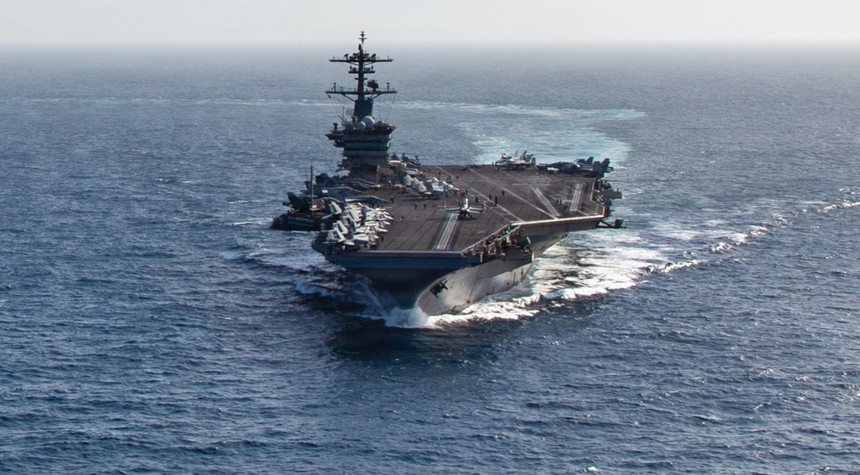
The United States Navy has confirmed that eight service members aboard the USS Abraham Lincoln and its strike group attempted suicide during an extended deployment that stretched nearly ten months without port call, according to official correspondence obtained this week.
Acting Navy Secretary Hung Cao disclosed the figure in a letter to Senator Kirsten Gillibrand of New York, a member of the Armed Services Committee. The suicide attempts occurred among crew members across the carrier strike group, which includes approximately 7,500 service members. No deaths by suicide have been reported during the deployment.
The Abraham Lincoln departed San Diego last November for what was scheduled as a standard six to seven month deployment. That timeline was extended when hostilities with Iran erupted in February, keeping the carrier and its crew at sea for 286 consecutive days without a port call while conducting combat operations in the Middle East.
The extended deployment has raised serious questions about the physical and mental toll placed upon American sailors. Family members of those aboard the Lincoln reported concerns about food shortages, declining morale, and what one relative characterized as conditions “wreaking havoc” on sailors’ mental health.
Senator Gillibrand described the situation as “serious and deteriorating” in a statement responding to the Navy’s disclosure. She criticized what she termed inadequate support for service members and their families during the protracted deployment.
The circumstances have generated disagreement within military leadership about the severity of conditions aboard the carrier. Admiral Brad Cooper, commander of U.S. Central Command, wrote in The Wall Street Journal last month that concerns about the Lincoln were “old news” resolved months earlier. A Navy official stated this summer that officials had not observed increased suicidal ideations aboard the ship.
However, the confirmed number of suicide attempts appears to contradict those earlier assessments. The figure includes two sailors who jumped overboard while the Lincoln operated in the Middle East, as previously reported. Details about the six additional attempts have not been released.
President Donald Trump previously remarked that the deployment was “not nearly long enough,” a comment Senator Gillibrand referenced when she stated the president had “dismissed them with open disrespect.”
The carrier finally made port in Thailand earlier this month and is now returning to San Diego after a stop in Guam, bringing an end to one of the longest carrier deployments in recent memory.
A Navy official stated that religious, medical, and mental health professionals were available throughout the deployment to assess and address concerns. The official emphasized that service members’ well-being remains a top priority.
The disclosure comes at a time of heightened scrutiny regarding military readiness and the human costs of sustained operations. A typical carrier deployment lasts six to seven months and includes regular port calls to replenish supplies and provide crew members respite from the demanding conditions of shipboard life.
The extended nature of the Lincoln’s deployment, coupled with combat operations and prolonged time at sea, represents an extraordinary test of endurance for the men and women serving aboard. The confirmed suicide attempts underscore the gravity of that challenge and raise important questions about how the Navy manages the mental health of its sailors during extended combat operations.
And that is the way it is.
Related: Daughter Appeals to Trump for Mother’s Release from Chinese Prison After Eight Years