
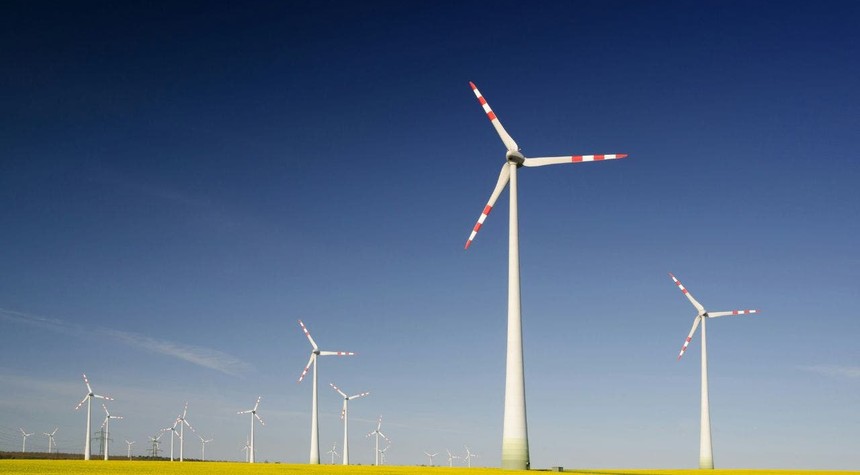
The University of Minnesota faces a proposed federal penalty exceeding $14,000 following the death of an American bald eagle at a wind energy research facility originally funded during the Obama administration.
The incident occurred at the University’s Eolos Wind Energy Research Field Station in Dakota County, Minnesota. According to Department of the Interior documentation, a wind turbine struck the bald eagle, resulting in the bird’s death and dismemberment. The remains were discovered in multiple pieces scattered near the turbine base.
The Department of the Interior has issued a violation notice citing the university for breaching the Bald and Golden Eagle Protection Act. The proposed civil penalty stands at $14,536. The violation stems from the university’s failure to obtain what federal law terms an “incidental take permit” before operating the facility. One Department of the Interior official characterized the bald eagle as a “national treasure” in the violation documentation.
The circumstances surrounding the incident raise questions about the oversight and safety protocols at federally funded renewable energy research facilities. According to the violation notice, university officials were aware that bird collisions posed a risk at the site. At the time of the eagle’s death, the facility was actively testing collision detection sensors designed to prevent such incidents.
The discovery of the eagle’s remains occurred in stages. Technicians initially found the lower torso and tail near the turbine. The head and wings were not located until more than a month later, suggesting the violent nature of the collision dispersed the remains across a considerable area.
This incident highlights an uncomfortable reality within the green energy sector. While wind power advocates promote renewable energy as environmentally beneficial, the technology poses documented risks to protected bird species. The bald eagle, once on the brink of extinction and now recovered through conservation efforts, remains protected under federal law precisely because of its status as America’s national symbol and its historical vulnerability.
The university’s research station was established with grant funding from the Obama administration as part of broader initiatives to develop and study renewable energy technologies. The facility conducts research on wind energy generation and related technologies.
Federal law provides mechanisms for entities operating wind facilities to obtain permits that allow for some incidental bird deaths, recognizing that collisions cannot always be prevented. However, operators must apply for these permits and demonstrate they are taking appropriate measures to minimize wildlife impacts. The violation notice indicates the University of Minnesota was operating without such authorization.
The proposed penalty now enters a process where the university can respond to the charges, potentially contest the findings, or negotiate a settlement with federal authorities. The outcome may establish precedents for how research institutions and commercial wind operations must balance renewable energy development with wildlife protection obligations.
This case underscores the complex trade-offs inherent in energy policy decisions, where environmental goals can sometimes conflict with other conservation priorities.
Related: Lindsey Vonn Returns to Training Days After Complete ACL Rupture
