
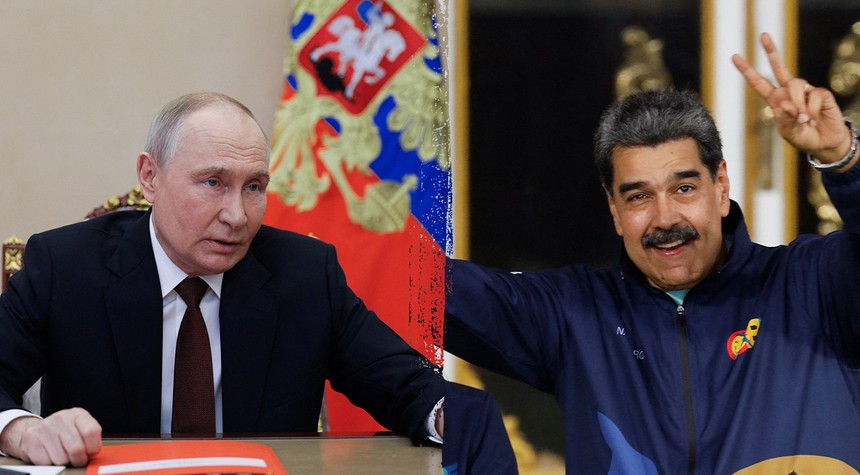
The United States finds itself navigating two starkly different approaches to foreign conflict. While diplomatic efforts continue toward facilitating negotiations between Russia and Ukraine, the American military posture in the Western Hemisphere has grown increasingly assertive.
The most significant U.S. military deployment to Southern Command’s area of responsibility in more than a generation is now underway. The USS Gerald R. Ford, the world’s largest aircraft carrier, is steaming toward the Caribbean Sea as part of an expanded American presence in the region. This deployment follows the administration’s decision to designate Venezuela’s military-linked Cartel de los Soles as a terrorist organization.
What began as sporadic strikes against suspected cartel vessels operating off Venezuela’s coast has evolved into a substantial show of force. President Donald Trump has authorized covert CIA operations inside Venezuela, and military planners have reportedly compiled target lists for cartel-related sites within Venezuelan territory. These developments have led analysts to conclude that direct American military action against targets inside Venezuela may be imminent, with the ultimate objective being the removal of Nicolás Maduro from power.
The situation has taken on additional complexity with reports that Russia has reassigned Colonel General Oleg Makarevich from the Ukrainian front to lead Moscow’s Equator Task Force in Venezuela. Ukrainian intelligence sources indicate that approximately 120 Russian troops are currently training Venezuelan forces, though this claim has not been independently confirmed.
Retired U.S. Army Colonel Seth Krummrich, now serving as vice president at Global Guardian, acknowledged the presence of Russian military advisers in Venezuela while expressing skepticism about Moscow’s willingness to engage American forces directly. The relationship between Russia and Venezuela spans decades, with Russian military personnel maintaining a consistent presence in both Venezuela and Cuba throughout that period.
Strategic analysts in Washington view the potential ousting of Maduro as an opportunity to eliminate Russia’s remaining significant foothold in the Western Hemisphere. The loss would represent a strategic setback for Moscow comparable to its diminished influence in Syria. Venezuela has long served as a platform for Russian, Chinese, and Iranian influence in the region, making it a critical piece in broader great-power competition.
However, not all experts agree that American actions in Venezuela and diplomatic initiatives regarding Ukraine represent a coherent, unified strategy. The contrasting approaches have raised questions about whether these simultaneous developments reflect coordinated policy or separate tracks of foreign engagement.
The expanded military presence in the Caribbean marks a notable shift in American foreign policy focus. For years, Washington’s attention remained fixed on conflicts in the Middle East and strategic competition in the Indo-Pacific region. The current deployment suggests a renewed emphasis on challenges closer to American shores.
The implications of potential military action against Venezuelan targets remain uncertain. Such operations would represent the most significant American military intervention in South America in decades and could reshape regional dynamics throughout the Western Hemisphere.
As naval forces continue their movement toward the Caribbean, the world watches to see whether the United States will follow through on what many observers now consider an inevitable confrontation with the Maduro regime.
Related: Vanity Fair Caught Off Guard by New Ethics Allegations Against Recently Hired Journalist
