
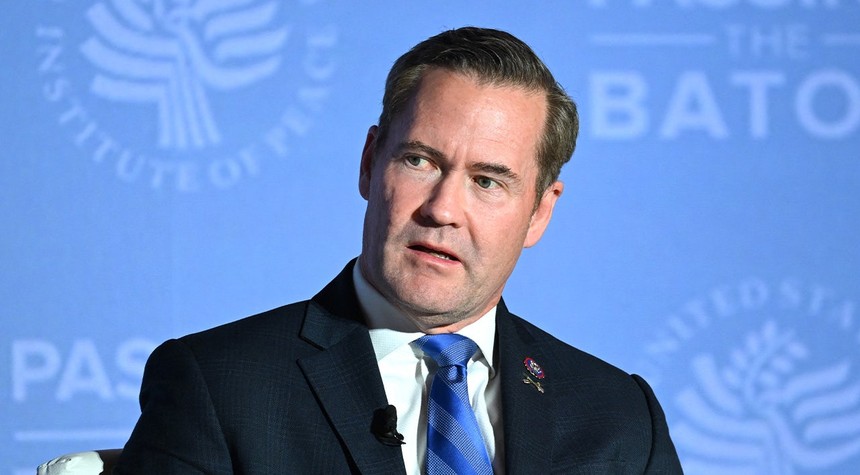
United States Ambassador to the United Nations Mike Waltz has mounted a vigorous defense of the American indictment of Venezuelan leader Nicolás Maduro, invoking international law provisions for national self-defense ahead of a critical Security Council meeting scheduled for Monday.
Speaking this weekend, Ambassador Waltz addressed anticipated objections from other member nations regarding the United States’ actions against the Venezuelan strongman. He acknowledged that critics would likely cite Article 2 of the United Nations Charter, which addresses matters of national sovereignty, but countered with a fundamental principle of international law.
“I will remind everyone of Article 51 of the United Nations Charter, which is a nation’s inherent right to self-defense,” Waltz stated, laying the groundwork for what promises to be a contentious debate among Security Council members.
The ambassador characterized Maduro as a drug kingpin and illegitimate leader who has been formally indicted in United States courts. More significantly, Waltz outlined a pattern of concerning international alliances that he argues pose a direct threat to American security interests.
According to the ambassador’s assessment, Maduro has established operational coordination with China, Russia, and Iran, while also maintaining connections to designated terrorist organizations including Hezbollah. This network of adversarial relationships, Waltz contends, facilitates the flow of narcotics, criminal elements, and weapons into American territory.
The ambassador further noted that Venezuela under Maduro has made threatening gestures toward neighboring nations, adding a regional destabilization component to the litany of charges against the Venezuelan government.
The timing of this Security Council meeting carries particular significance as it represents a formal international forum where the United States must justify its position on Maduro to both allies and adversaries. The invocation of Article 51 suggests the administration views the Venezuelan situation not merely as a matter of criminal justice or regional politics, but as a legitimate national security concern warranting extraordinary measures.
The legal framework Ambassador Waltz has chosen to emphasize places the United States’ actions within established international norms, even as those actions challenge traditional interpretations of sovereignty. Article 51 of the U.N. Charter explicitly recognizes the inherent right of individual or collective self-defense if an armed attack occurs against a member state.
Whether the Security Council will accept the American argument that Maduro’s alleged activities constitute a sufficient threat to justify the invocation of self-defense provisions remains to be seen. The meeting will likely feature strong objections from nations with closer ties to Venezuela, particularly Russia and China, both of which hold permanent seats and veto power on the Council.
The ambassador’s preview of the proceedings indicates the United States is prepared for significant diplomatic opposition but remains committed to its position that the Venezuelan regime under Maduro represents an active threat to American security that transcends conventional diplomatic concerns.
Related: Billy Joel Makes Surprise Stage Appearance Months After Brain Disorder Diagnosis
