
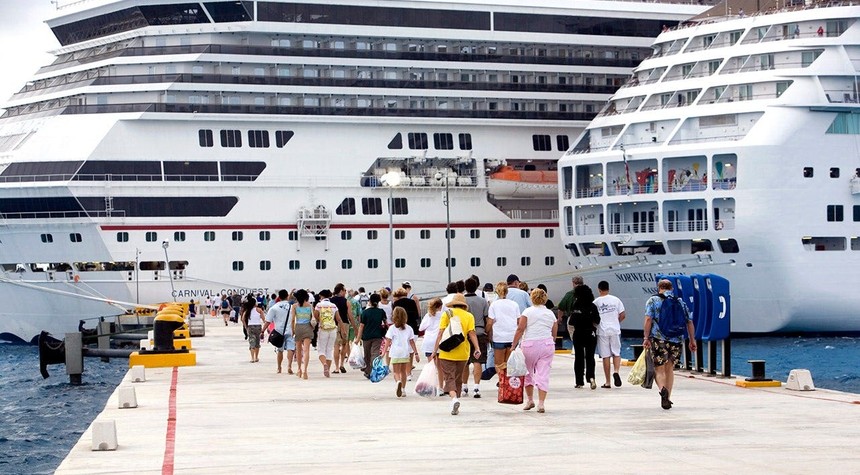
Federal health officials are monitoring eighteen American passengers following a hantavirus outbreak aboard a cruise ship, even as the industry reports continued strong demand heading into the peak summer travel season.
The recent incidents involving both hantavirus and norovirus on multiple vessels have garnered significant public attention, yet industry data suggests travelers remain largely undeterred in their vacation planning. The Cruise Lines International Association projects that more than 38 million people worldwide will embark on ocean cruises this year, representing an increase from the record 37.2 million passengers who sailed in the previous year.
Hantavirus, a potentially serious rodent-borne illness, has emerged as a particular concern following deaths linked to the disease aboard at least one cruise vessel. The virus is typically transmitted through contact with infected rodent droppings, urine, or saliva, making its appearance on a passenger ship a matter requiring immediate attention from health authorities.
The federal monitoring of the eighteen affected passengers reflects standard protocol for tracking potential disease transmission and ensuring appropriate medical follow-up. Health officials have not disclosed the specific cruise line involved or the current condition of those under observation.
Despite these health incidents, industry insiders report that booking patterns show little sign of disruption. Cruise enthusiast Jenni Fielding, who maintains a travel blog focused on the industry, exemplifies the confidence many frequent cruisers continue to express. She reports having eight cruises already scheduled and plans to book additional voyages.
The resilience of consumer demand suggests that regular cruise passengers view these health incidents as isolated events rather than systemic problems with cruise travel. Industry representatives maintain that modern cruise ships employ rigorous sanitation protocols and health monitoring systems designed to quickly identify and contain potential outbreaks.
Norovirus, the more common of the two illnesses recently reported, is a highly contagious stomach bug that spreads easily in enclosed environments. Cruise ships have long dealt with periodic norovirus outbreaks, and the industry has developed extensive procedures for sanitization and passenger notification when cases occur.
The appearance of hantavirus, however, represents a less common challenge. The presence of rodents aboard ships capable of transmitting the disease raises questions about vessel maintenance and pest control measures that cruise lines must address to maintain passenger confidence.
As the summer travel season approaches, the cruise industry faces the task of balancing transparency about health risks with reassurance about safety protocols. The projected increase in passengers suggests that, for now, consumers remain willing to accept the calculated risks that come with any form of group travel.
The situation bears watching as health officials continue their monitoring efforts and as cruise lines work to prevent future outbreaks. The coming months will reveal whether current booking trends hold steady or whether prolonged health concerns might eventually impact the industry’s remarkable growth trajectory.
Related: Long Island Rail Road Workers Strike, Leaving 330,000 Commuters Without Service
