
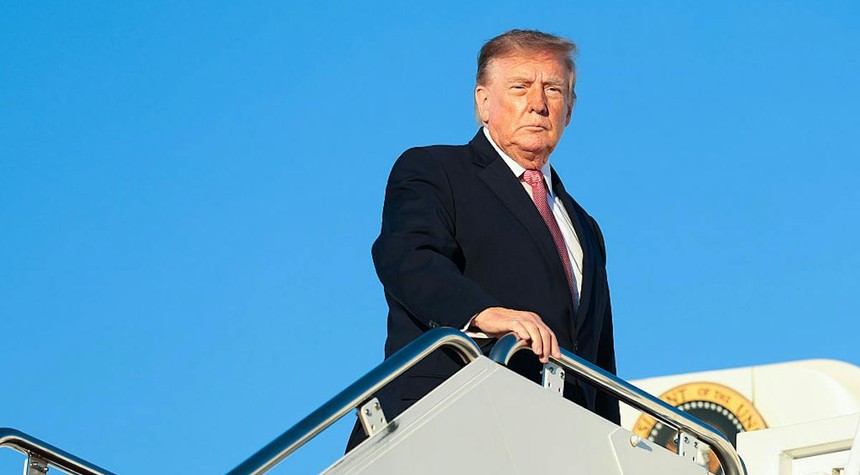
President Donald Trump has proposed a straightforward solution to the growing controversy surrounding data center development across the nation. In a statement released Wednesday morning, the President urged technology companies to offer direct financial dividends to communities hosting these massive facilities.
“If companies want to make their Data Centers popular, pay the community, and/or individuals within the community, a ‘dividend,'” the President stated, drawing from his observations of the development process. He noted that data centers which initially faced fierce local opposition have become welcomed projects once financial agreements were reached with residents.
The President’s recommendation comes as data center construction has emerged as a contentious issue in communities nationwide, with concerns mounting over potential impacts on local resources and electricity costs. Trump has been unequivocal in his support for these developments, previously warning that communities rejecting data centers risk becoming economically stagnant.
The financial arrangements Trump references are not theoretical. Some developers have already committed millions of dollars to community development funds. However, monetary incentives have not universally succeeded in winning local approval. In Hazle Township, Pennsylvania, many residents declined offers of $10,000 per household for a proposed data center. In Kentucky, two women rejected more than $26 million for their farmland.
Addressing a primary concern of data center opponents, Trump maintained that these facilities would not increase local electricity costs. He explained that new large-scale data centers would be required to generate their own power and return any excess energy to the local grid or community, potentially resulting in reduced electricity prices rather than increases.
The controversy has become sufficiently intense to influence the approaching midterm elections. Candidates from both parties have distanced themselves from previous pro-development positions as constituent opposition has grown. New York Governor Kathy Hochul, a Democrat, signed legislation imposing a one-year moratorium on approving new hyperscale data centers. Similar proposals have gained traction in other states, with Michigan Senate candidate Mike Rogers advocating for a pause to address community concerns about utility costs, water resources, and local control.
The President has consistently framed data center development as a matter of national security and economic competition. He has argued that resistance to these facilities benefits China, allowing the communist nation to advance its artificial intelligence capabilities more rapidly than the United States. In Trump’s assessment, communities that reject data center development will suffer economically while America falls behind in critical technology sectors.
The debate reflects broader tensions between technological advancement and local autonomy. While the administration emphasizes national economic interests and technological competitiveness, many communities prioritize immediate concerns about infrastructure strain, environmental impact, and quality of life.
Trump’s call for negotiated financial agreements represents an attempt to bridge this divide through direct economic incentives. Whether this approach will succeed in overcoming local resistance remains to be seen, but the President has made clear his expectation that these developments must proceed to maintain American technological leadership.
Related: Florida Mayor Arrested on Theft and Fraud Charges in Grant Program Case