
The Trump Organization’s investment in a construction company positioned to benefit from a federally funded rare earth minerals agreement has prompted questions about potential conflicts of interest, though legal experts suggest proving any impropriety would be extraordinarily difficult.
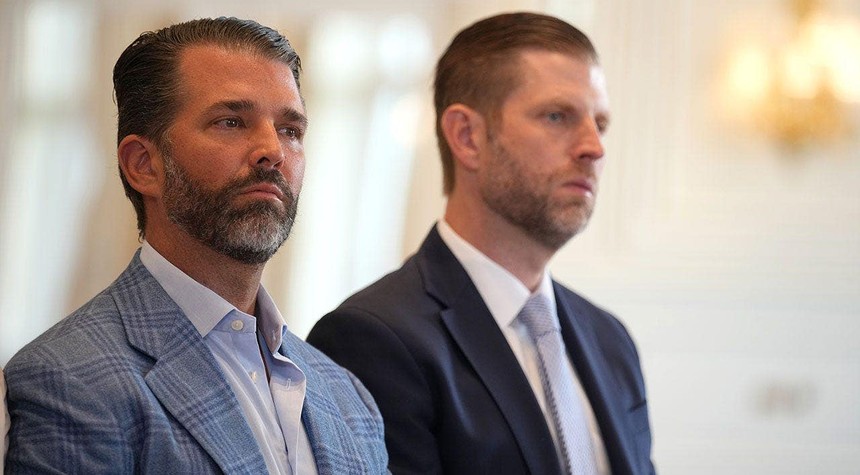
Donald Trump Jr. and Eric Trump, who lead the Trump Organization while their father serves as President, made the investment in the construction firm that now stands to profit from the government-backed deal. The arrangement has attracted attention from ethics watchdogs and political observers concerned about the intersection of private business interests and public policy.
Andrew Stoltmann, a Chicago-based securities and investment fraud attorney, addressed the matter directly. The central question, he noted, revolves around whether President Trump possessed knowledge of his sons’ investment activities in this particular company. According to Stoltmann’s assessment, the answer would likely be negative unless the sons specifically disclosed this information to their father.
The legal landscape surrounding this situation presents significant challenges for those seeking to establish wrongdoing. Stoltmann emphasized that the Trump brothers operate as private investors rather than government employees. This distinction carries substantial legal weight. When private citizens make passive investments in companies or entities, they face no meaningful obligations to disclose such information publicly.
This reality creates what Stoltmann characterized as a “proof problem” for critics of the arrangement. Without clear evidence of direct coordination between the President and his sons regarding this specific investment, or documentation showing the President influenced policy decisions to benefit the construction company, establishing any violation becomes nearly impossible.
The rare earth minerals sector has gained strategic importance in recent years as the United States seeks to reduce dependence on foreign suppliers, particularly China, which currently dominates global production. These materials prove essential for manufacturing everything from smartphones to military equipment, making domestic production a matter of both economic and national security interest.
The timing of the Trump Organization’s investment and the subsequent government funding arrangement has fueled speculation, yet speculation alone does not constitute evidence of impropriety. The legal framework governing such situations draws clear distinctions between the actions of private citizens and those of government officials, even when family relationships connect the two.
This case highlights the ongoing tensions inherent in situations where a President’s family maintains extensive business operations during his term in office. While previous administrations have faced similar questions, the scale of the Trump Organization’s holdings has made these issues particularly prominent throughout this presidency.
The construction company in question has not been accused of any wrongdoing, nor has any evidence emerged suggesting the rare earth minerals deal was awarded through anything other than standard government contracting procedures. The focus remains on the optics of the situation rather than documented violations of law or regulation.
As this matter continues to draw attention, it underscores the complex relationship between private enterprise and public service in American governance, particularly when family connections bridge these traditionally separate spheres.
Related: Fort Myers Man Confesses to Killing Mother Following Years of Alleged Mistreatment
