
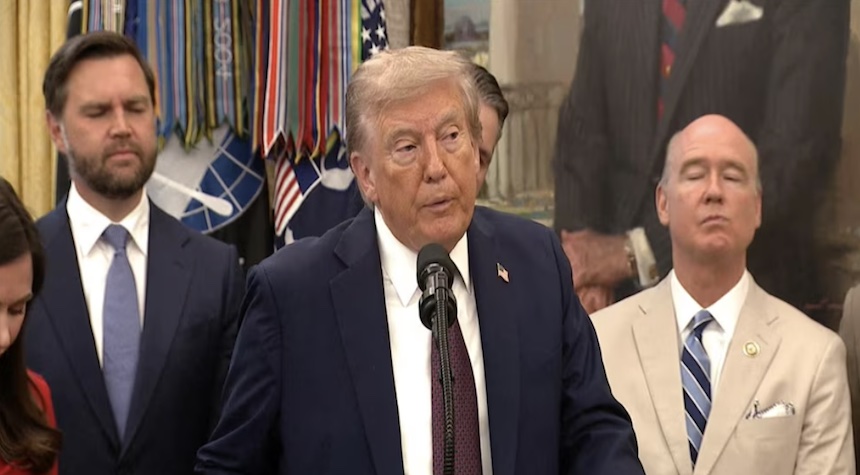
President Donald Trump announced on Tuesday that he authorized the U.S. military to carry out a strike against a suspected drug vessel, believed to be linked to a South American gang. The operation resulted in the deaths of 11 individuals, referred to by the President as ‘terrorists’.
The President detailed the strike as a ‘kinetic action against positively identified Tren de Aragua Narcoterrorists in the SOUTHCOM area of responsibility.’ He further disclosed that the boat was intercepted at sea in International waters, while allegedly transporting illicit narcotics towards the United States.
President Trump has accused the Tren de Aragua group, designated a Foreign Terrorist Organization, of operating under the control of Venezuelan President Nicolas Maduro, and being responsible for a host of crimes, including mass murder, drug trafficking, sex trafficking, and acts of violence across the United States and Western Hemisphere.
Also Check Out: Charles Bierbauer, Esteemed CNN Correspondent, Dies at 83
Secretary of State Marco Rubio indicated that similar operations might be plausible while U.S. vessels are in the area. ‘No one should be surprised,’ Rubio stated, referencing the counter-drug mission of the naval forces. However, he deferred to the Pentagon for specifics on future operations.
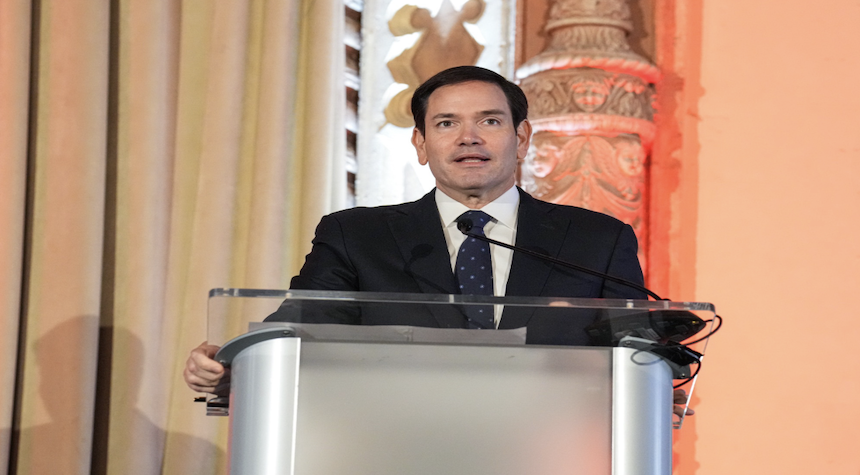
Eight Navy ships were being assigned to the U.S. Southern Command to counter drug cartels. The evidence suggests a renewed determination in the fight against drug trafficking, which Rubio asserts destabilizes not just the United States but the entire Caribbean Basin.
The Pentagon confirmed the military has conducted a ‘precision strike against a drug vessel operated by a designated narco-terrorist organization.’ President Trump also disseminated a video of the strike on his social media platform.
This was a decisive action against alleged drug traffickers at sea, with the promise of more to come. But as always, the situation raises important questions about the future of U.S. military involvement in the war on drugs, and about the potential implications for international relations.
