
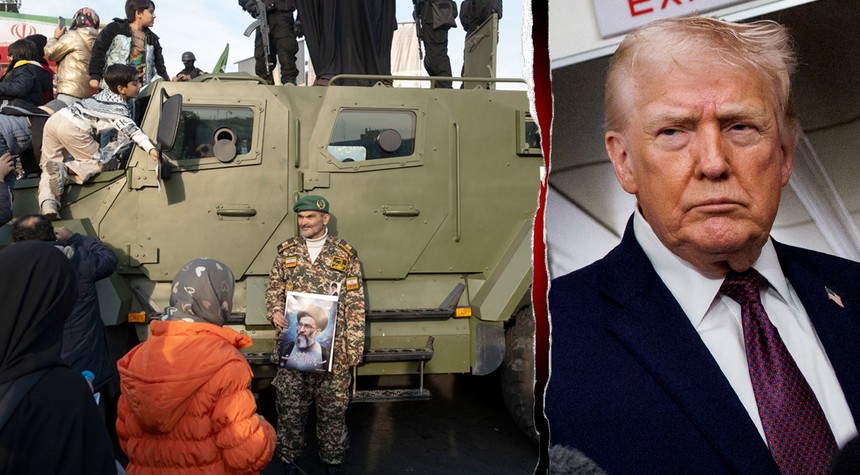
President Donald Trump announced a sweeping trade order that imposes immediate tariffs on any nation conducting business with Iran, marking a significant escalation in American policy toward the Islamic Republic.
The president declared that any country maintaining trade relations with Iran will face a 25 percent tariff on all commerce with the United States. In his announcement, Trump characterized the directive as “final and conclusive,” leaving no ambiguity about the administration’s intentions.
The timing of this economic measure coincides with the fifteenth day of widespread civil unrest across Iran. Reports indicate that hundreds of protesters have been killed since demonstrations erupted on December 28. The protests represent the most significant challenge to the Iranian regime in recent memory, with citizens taking to the streets in multiple cities across the nation.
This tariff order represents one of the most aggressive uses of American economic leverage in recent years. By targeting not just Iran directly, but any nation that maintains commercial relationships with Tehran, the administration has effectively expanded the scope of its pressure campaign exponentially. Major economies around the world now face a stark choice between access to American markets and continued business with Iran.
The policy carries substantial implications for international trade relationships. Several nations, including traditional American allies, maintain varying degrees of commercial engagement with Iran. These countries must now calculate whether their Iranian business interests justify accepting a 25 percent penalty on their far more substantial American trade.
The administration’s move comes as Tehran faces mounting internal pressure from its own citizens. The ongoing protests have drawn international attention to the Iranian government’s response, which has been marked by violent crackdowns on demonstrators. The president had previously issued warnings to the Iranian regime regarding its treatment of protesters.
Economic sanctions have long been a cornerstone of American policy toward Iran, but this latest measure distinguishes itself through its extraterritorial reach. Rather than simply prohibiting American companies from Iranian commerce, this order attempts to enforce American policy preferences on third-party nations through the threat of economic consequences.
The effectiveness of this approach will depend largely on whether major trading partners comply with the American ultimatum or seek alternative arrangements. Nations heavily dependent on American markets may find the choice straightforward, while others with more diversified trade portfolios might resist what they perceive as economic coercion.
As the situation in Iran continues to develop, with protesters showing no signs of retreating despite government violence, the Trump administration has signaled its willingness to employ all available economic tools to pressure the regime. Whether this strategy will influence Iranian government behavior or simply reshape global trade patterns remains to be seen.
The international community now watches to see how major economies will respond to this American directive, and whether the economic pressure will translate into meaningful change within Iran itself.
Related: Ottawa Firefighters Save Dog From Blaze It Accidentally Started
