
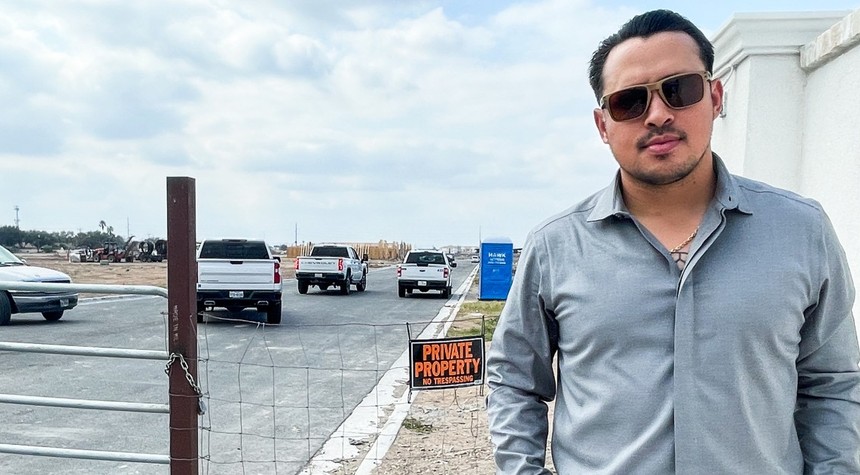
PHARR, Texas — More than a year after President Donald Trump carried the traditionally Democratic Rio Grande Valley, his administration’s deportation agenda has collided with the economic realities of the region’s construction industry.
The situation presents a complex challenge for this corner of Texas, where voters embraced stricter immigration enforcement even as their economy depends substantially on immigrant labor. Now, builders across the region report they are struggling to complete projects as workers disappear from job sites, either arrested in immigration raids or too frightened to report for work.
Ronnie Cavazos, president of the South Texas Builders Association and owner of The Structure Team construction company in Mission, delivered a stark assessment at a recent luncheon in McAllen. “This will put us out of business if it continues,” he stated plainly.
The builders acknowledge what has long been an open secret in the region: the construction industry relies heavily on immigrant workers, including those without legal documentation, many of whom have resided and worked in the area for years. These workers serve as framers, foundation pourers, drywallers, and in numerous other essential roles.
The economic ripple effects extend well beyond construction sites. Real estate agents report investors reconsidering purchases due to uncertainty about project completion. Restaurants that catered to construction workers have seen business decline. Retailers face reduced foot traffic.
Jaime Lee Gonzalez, a McAllen realtor, described an investor who had planned to purchase more than one hundred lots but now hesitates, fearing projects cannot be completed once begun.
Maria Vasquez, a forty-year-old resident, explained how the situation has affected her household directly. Her husband, who builds frames for homes, now works fewer hours as construction has stalled. The family has adjusted by cutting discretionary items from their grocery budget while maintaining essential expenses like utilities and rent.
Xavier Vazquez, owner of Summit Valley Homes, reported that Immigration and Customs Enforcement arrested nearly his entire stucco crew. His attempts to find replacements have proven difficult, as other available workers have also been detained.
Luis Rodriguez, a sales manager at Materiales del Valle in McAllen, described the situation from a supplier’s perspective. “We sell flooring. We sell tile to contractors, to custom-home builders, and it’s affecting our business tremendously,” he said. Orders remain unfilled because contractors lack workers to install the materials.
Mario Guerrero, executive director of the builders association, characterized the immigration enforcement as the final blow that could end some businesses. While acknowledging that other economic factors such as inflation and interest rates play a role, he described the worker shortage from arrests as the decisive factor pushing companies toward failure.
The Rio Grande Valley has largely avoided the confrontations between federal agents and immigration policy opponents seen in other regions with high immigrant populations. Many residents here support strict border policies and targeted enforcement. However, the scale and pace of the current deportation agenda has created an economic crisis that transcends political preferences.
The situation illustrates the tension between immigration policy objectives and economic dependencies that have developed over decades. As enforcement continues, the question facing this region is whether its economy can adapt quickly enough to survive the transition, or whether support for strict immigration policies will waver as the economic consequences become more severe.
Related: Willie Colón Dead at 75, Salsa Pioneer Left Mark on American Music and Culture
