
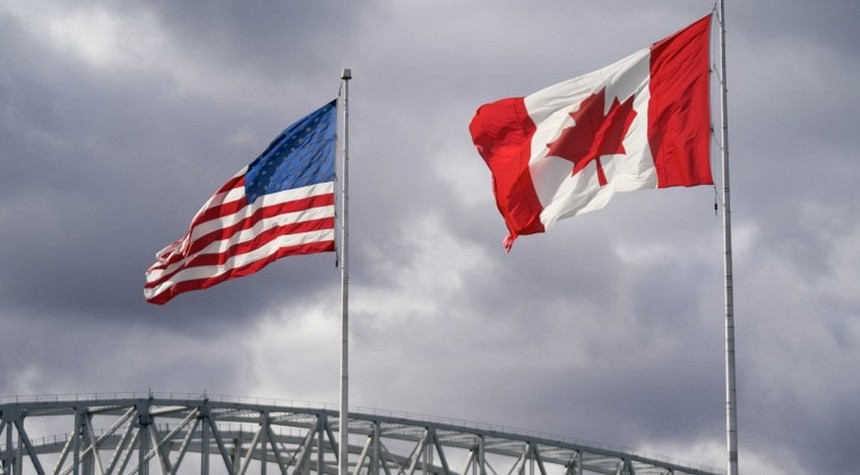
President Donald Trump has intensified his focus on Arctic security in recent weeks, expressing growing concern to senior advisers about Canada’s capacity to defend its northern territories against potential incursions by Russia and China, according to multiple current and former United States officials familiar with the discussions.
The president has privately argued that Canada must increase its defense spending to adequately protect its Arctic borders, a position that has accelerated internal administration discussions about developing a comprehensive Arctic strategy and potentially negotiating an agreement with Canada to strengthen its northern defenses.
“Trump is really worried about the U.S. continuing to drift in the Western Hemisphere and is focused on this,” one official stated.
Current administration officials emphasized that there are no plans to station American troops along Canada’s northern border. Unlike the president’s stated intentions regarding Greenland, he is neither seeking to purchase Canadian territory nor suggesting the use of military force against America’s northern neighbor.
This heightened attention to Canada’s Arctic vulnerabilities represents part of a broader strategic vision to consolidate American influence throughout the Western Hemisphere. The Trump administration has taken unprecedented steps this year to assert United States power in the region, beginning with military intervention in Venezuela that facilitated American control of that nation’s oil industry. The administration has issued similar warnings to Cuba, while cautioning both Colombia and Mexico about possible intervention to combat drug trafficking.
The question of Greenland remains central to the administration’s Arctic strategy. The president has repeatedly indicated his intention to acquire the semi-autonomous Danish territory, either through purchase or military means, prompting urgent diplomatic efforts among United States allies to address his security concerns.
On Saturday, the president suggested that American acquisition of Greenland would serve Canadian interests as well. A senior administration official explained that the fundamental objective is preventing Russia and China from expanding their Arctic presence, adding that Canada would benefit from United States control of Greenland.
The Canadian government has maintained that Greenland’s future rests with Greenland and Denmark. Prime Minister Mark Carney stated Friday that Canada supports Denmark as a NATO ally, reaffirming the alliance’s importance amid these discussions.
According to officials familiar with the president’s thinking, securing Canada’s northern border constitutes a critical element of the administration’s vision for what one official described as “solidifying” the Western Hemisphere to align with American strategic interests.
“At the end of the day, this is to stop Russia and China from having a further presence in the Arctic,” the senior administration official said.
The administration’s approach reflects long-standing concerns about adversarial nations exploiting vulnerabilities in the Arctic region, where melting ice has opened new shipping routes and access to natural resources. The strategic importance of the Arctic has grown considerably as both Russia and China have increased their activities in the region, including military exercises and infrastructure development.
Relations between Washington and Ottawa have experienced considerable strain in recent months, though officials indicate the current discussions about Arctic security represent a shared strategic interest rather than a source of additional friction.
The White House has not provided detailed information about the specific nature of any proposed agreement with Canada or the timeline for such negotiations.
Related: Volunteer Groups Monitor Minneapolis Schools During Federal Immigration Operation
