
The Trump administration has brought operations at the Agency for Healthcare Research and Quality to a near standstill, effectively ending federal funding for programs that researchers say have saved thousands of lives and billions of dollars over nearly three decades.
In a letter dated July 15, the small Department of Health and Human Services agency informed researchers it was terminating at least 104 grants, many focused on improving patient safety in medical facilities across the nation. The decision comes despite Congress appropriating $345 million for the agency in the current fiscal year.
Federal records reveal a striking pattern. The agency has spent less than $15 million on grants and has not issued a single new grant in over a year. Approximately 75 percent of agency staff have either been terminated or resigned since President Donald Trump took office, according to HHS figures.
The administration’s broader effort to reduce federal spending on biomedical research has affected multiple agencies within the health department. However, the dismantling of this particular agency has drawn criticism from an unexpected quarter, given its alignment with administration priorities.
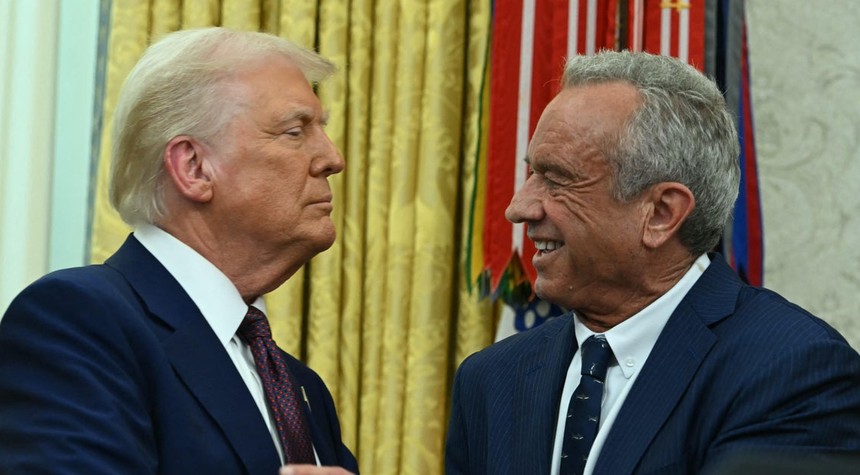
The agency’s focus on patient safety and healthcare quality would seem to complement the “Make America Healthy Again” initiative championed by the President and HHS Secretary Robert F. Kennedy Jr. in their campaign against chronic illness. The agency has concentrated on practical problems that affect Americans daily: excessive healthcare costs, physician access, treatment accuracy, and medical record errors.
Aaron Carroll, chief executive of AcademyHealth, a health services research organization, noted the agency’s work directly addresses the frustrations Americans commonly express about their healthcare system.
The changes appear designed to be permanent in nature. All grant managers at the agency have been terminated, eliminating the infrastructure necessary to oversee future research funding. Brent Sandmeyer, a former program officer at the agency, questioned the implications for oversight and accountability in healthcare research.
HHS spokesperson Emily Hilliard stated the agency intends to establish a new framework for grants but provided no additional details regarding timeline or structure.
Researchers who received the termination letter expressed confusion, noting their work aligns with the priorities outlined by agency Director Roger Klein. The agency remains the only federal entity specifically dedicated to healthcare safety and quality research.
Hardeep Singh, director of the Houston Methodist Safety, Quality and Well-Being Institute, had received agency funding for research aimed at reducing medical errors caused by inadequate software design. His work exemplifies the practical applications of agency-funded research.
Director Klein has stated the agency’s current research interests include patient safety, preventing antibiotic resistance, addressing overmedication in children, promoting digital health tools, and conducting outcome-focused research on health disparities.
An examination of approximately 20 canceled grants revealed work that appeared consistent with these stated priorities, raising questions about the rationale behind the terminations.
The situation presents a puzzle for observers of federal health policy. An agency with bipartisan support and a track record of cost savings has been effectively shuttered despite full congressional funding and work that aligns with administration health objectives.
Related: James Comey Files Motion to Dismiss Federal Charges Over Seashell Photo Post
