
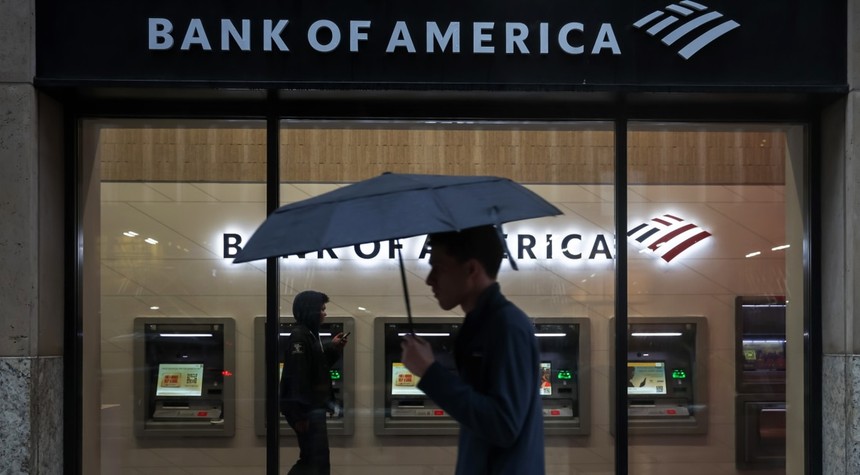
The United States Treasury Department announced Tuesday that Bank of America will pay $1.2 billion in penalties for systematic violations of anti-money laundering laws and sanctions requirements, marking the third-largest enforcement action in the agency’s history.
The financial institution admitted to willfully violating the Bank Secrecy Act and acknowledged its failure to maintain an adequate anti-money laundering program meeting minimum legal standards. Within the total penalty, the Office of the Comptroller of the Currency levied its largest-ever fine of $750 million against the banking giant.
“Today’s actions send a clear message that even the biggest financial institutions are not above the law,” Treasury Secretary Scott Bessent stated.
The scope of Bank of America’s compliance failures proved substantial. According to the Treasury Department, the bank failed to report more than $5 billion in suspicious transactions to the Financial Crimes Enforcement Network. Particularly concerning, over $1 billion of this unreported activity involved matters of national security and priority illicit finance risks.
The unreported suspicious transactions included indicators of Chinese money laundering networks, various fraud schemes, and potential trade-based money laundering with significant connections to the southwestern border region. These mandatory Suspicious Activity Reports represent a critical tool in federal law enforcement’s ability to combat financial crimes, terrorist financing, and money laundering operations.
As the nation’s second-largest bank, Bank of America serves more than 70 million clients and processes approximately $4.5 trillion in payments for individual customers annually. The institution also handles $450 trillion in payments for corporate clients, encompassing payroll operations, corporate credit cards, and supplier payments. This scale underscores the potential impact when compliance systems fail at such a major financial institution.
Beyond the anti-money laundering violations, Bank of America settled potential civil liability for 475 apparent violations across multiple sanctions programs administered by the Office of Foreign Assets Control. The bank processed millions of dollars in payments that apparently violated sanctions targeting Russia, Belarus, Iran, Burma, Somalia, narcotics trafficking networks, and global terrorism.
Bank of America responded to the enforcement action with acknowledgment of its responsibilities. The institution stated it has invested billions of dollars in technology and assigned thousands of employees to combat financial crime. The bank indicated its compliance improvement efforts remain ongoing and expressed commitment to addressing regulatory concerns.
The financial institution emphasized its continued cooperation with federal and local law enforcement across thousands of investigations and noted it files hundreds of thousands of suspicious activity reports annually.
Secretary Bessent underscored the broader implications of such compliance failures, noting that when a bank of this magnitude fails to meet its anti-money laundering and sanctions obligations, the consequences extend far beyond the institution itself.
This enforcement action arrives as federal regulators maintain heightened scrutiny of major financial institutions’ compliance programs, particularly regarding their ability to detect and report suspicious activities that may fund criminal enterprises, terrorism, or activities by sanctioned entities. The historic penalty serves as a clear statement about regulatory expectations and the serious consequences awaiting institutions that fail to maintain adequate safeguards against financial crime.
Related: Violence Erupts at Trump Rally in Youngstown as Female Protester Is Attacked
