
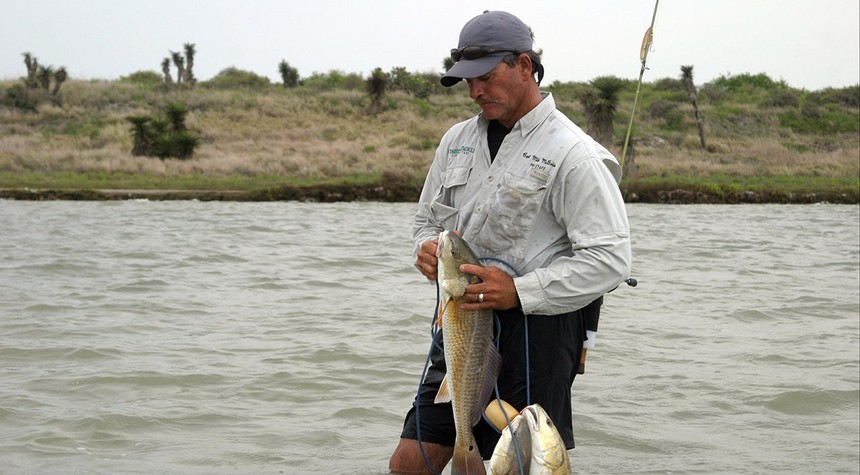
A cyberattack targeting a vendor for the Texas Parks and Wildlife Department has compromised personal information belonging to more than three million hunting and fishing license holders across the state.
The breach, detected by Texas Cyber Command, involves an unauthorized actor who may have obtained customer data from the vendor’s license sales system. While the agency reports that Social Security numbers, dates of birth, and financial information including credit card details were not compromised, the exposed data still presents significant security concerns for affected individuals.
According to the Texas Parks and Wildlife Department, the breach affected 3,087,721 customers. The compromised information includes names, phone numbers, home addresses, driver license numbers, and passport numbers in some cases. The agency has declined to identify the specific vendor involved but states it has strengthened access controls and plans to implement additional security measures.
The scope of this breach warrants serious attention. Driver license numbers and passport information, even without accompanying financial data, provide criminals with valuable tools for identity theft and fraud schemes. These details enable scammers to craft convincing impersonation attempts that can deceive even cautious individuals.
Security experts emphasize that personal information of this nature allows criminals to construct highly targeted phishing campaigns. A scammer armed with accurate names, addresses, and license details can craft communications that appear legitimate, whether posing as state officials, license vendors, or financial institutions. These messages often claim problems with accounts or request identity verification, directing victims to fraudulent websites designed to harvest additional information.
The agency reports no evidence that minors under eighteen were affected, nor that any particular demographic group was specifically targeted. Nevertheless, the breadth of exposed information creates opportunities for sophisticated fraud attempts that may not materialize immediately but could surface months or even years after the initial breach.
This incident highlights ongoing vulnerabilities in state systems that rely on third-party vendors to handle sensitive citizen data. When government agencies contract with private companies for services such as license sales, they create additional points of potential failure in data security infrastructure. Each vendor connection represents another potential entry point for unauthorized access.
The Texas Parks and Wildlife Department urges all hunting and fishing license holders to remain vigilant in monitoring their accounts for suspicious activity. Citizens should exercise particular caution regarding unsolicited communications that reference their license information or request personal details, even when such messages appear official.
Individuals affected by this breach should consider placing fraud alerts on their credit files and carefully reviewing any communications claiming to originate from state agencies or related vendors. Any requests for additional personal information or account verification should be treated with skepticism and verified through official channels before responding.
This breach serves as a reminder that data security remains an ongoing challenge for government agencies at all levels. As states increasingly rely on digital systems and third-party vendors to deliver services, the protection of citizen information must remain a paramount concern.
Related: Boeing 777 Flies Within 25 Feet of Ground During Pre-Delivery Test Flight in Texas
