
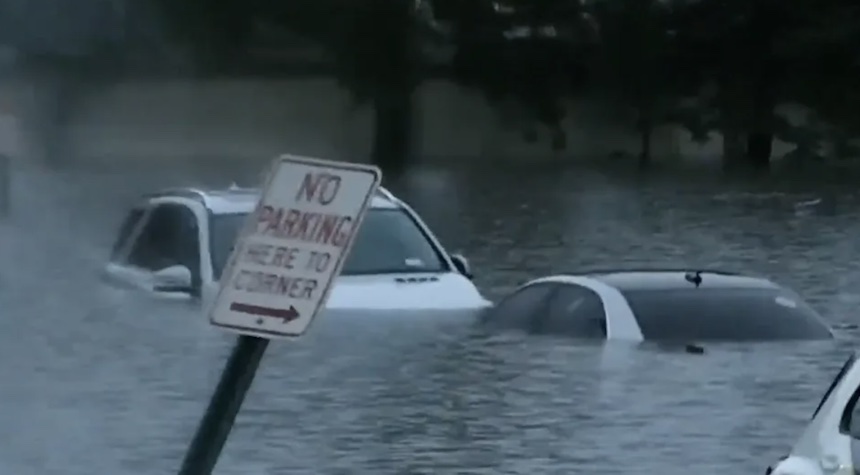
Severe flash flooding has struck parts of the northeastern United States, resulting in two fatalities and widespread disruption. The situation unfolded rapidly on Monday, with New Jersey bearing the brunt of the deluge.
Two individuals lost their lives when their vehicle was swept into Cedar Brook in Plainfield, New Jersey. City officials have confirmed this tragic incident. It’s worth noting that this follows closely on the heels of two other storm-related deaths in the same city just days prior.
In neighboring North Plainfield, law enforcement officers reportedly waded through chest-high waters to rescue approximately 40 residents. The flooding has caused significant damage to homes and vehicles in the area. New Jersey Governor Phil Murphy has declared a state of emergency in response to the crisis.
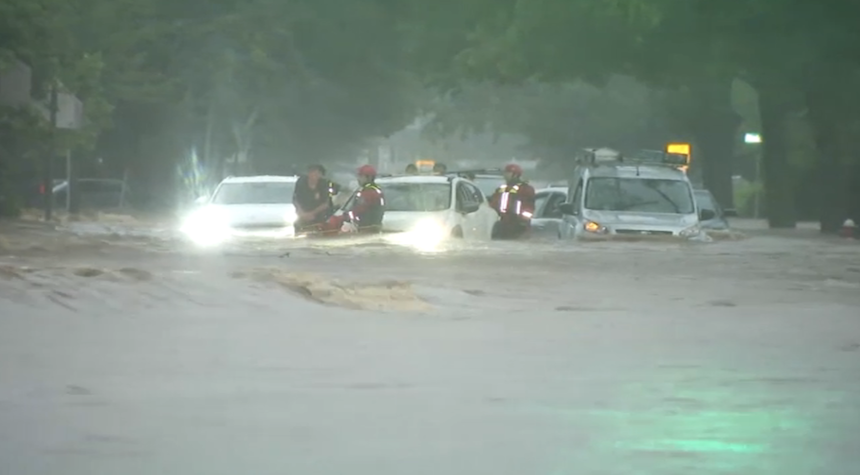
The scope of this weather event extends beyond New Jersey. Reports indicate that flash flood warnings were issued across a wide swath of the eastern seaboard, from northern New Jersey to New York City, and as far south as Washington, D.C., and Arlington, Virginia. In Petersburg, Virginia, a rare flash flood emergency was declared, with some areas recording up to 18 inches of standing water.
This severe weather has caused substantial disruptions to transportation networks. More than 2,000 flights were canceled across the United States on Monday. New Jersey Transit and Metro-North train services experienced major interruptions. In New York City, the subway system was affected, with floodwaters entering at least one station.
The evidence suggests that this is an extraordinary weather event. Central Park in New York City recorded its second-highest hourly rainfall total, with 2.07 inches falling in just one hour, a phenomenon that statistically occurs only once every 20 years.
Looking ahead, meteorologists warn that the flood threat continues for the Mid-Atlantic region into Tuesday. Additionally, parts of Texas, including the Hill Country, Austin, and San Antonio, are under a flash flood watch as rescue efforts continue in previously affected areas.
This raises important questions about our infrastructure’s resilience and our preparedness for extreme weather events. As climate patterns shift, the significance of these occurrences should not be overlooked.
