
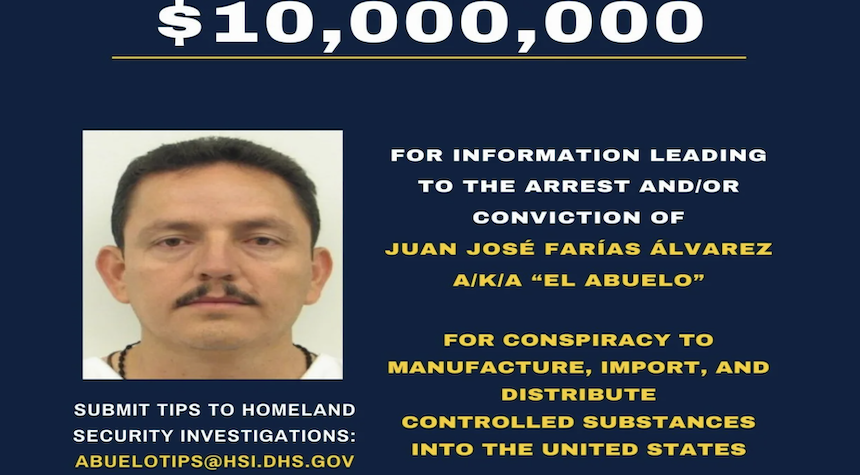
A Tennessee car accident years ago set into motion a series of events leading to the U.S. government placing a $10 million bounty on the head of a Mexican drug cartel leader known as “The Grandfather”.
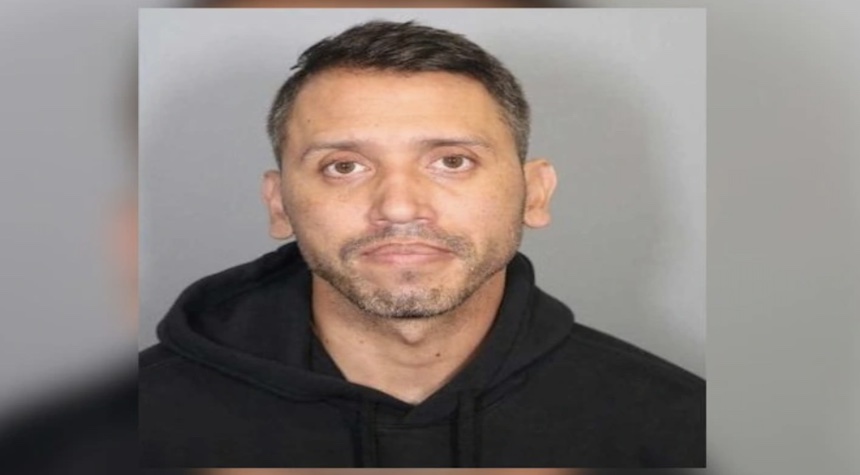
The incident involved two minor drug dealers whose mishap on the roads of a small Tennessee town sparked an investigation. This inquiry, involving wiretaps and a shootout with police, eventually led federal agents onto the trail of cartel leaders in Mexico.
The Justice Department recently unsealed indictments against three leaders and two high-ranking enforcers of the United Cartels, a significant rival of the Jalisco New Generation Cartel. Along with “El Abuelo” or “The Grandfather”, real name Juan José Farías Álvarez, multimillion-dollar rewards have been offered for information leading to the arrest of four others. All five are believed to be in Mexico.
Court documents outline how drugs produced in large labs by violent cartels in Mexico are smuggled across the U.S. border and eventually find their way onto American streets. This trail of destruction stretches from the mountains of Mexico to small U.S. towns, leaving a wake of violence in its path.
“These cases in particular serve as a powerful reminder of the insidious impacts that global cartels can have on our local American communities,” Matthew Galeotti, acting assistant attorney general in charge of the Justice Department’s criminal division, told The Associated Press.
The United Cartels’ operation spans the U.S., with hubs in numerous cities including Dallas, Houston, Atlanta, Kansas City, Sacramento, Los Angeles, Denver, and Chicago. Federal prosecutors claim that drug sales profits are used to purchase heavy weapons, hire mercenaries, bribe local officials, and fund lavish lifestyles for cartel leaders.
Alongside the primary target of “El Abuelo”, those facing U.S. indictments include leaders of smaller cartels under the United Cartels organization, as well as enforcers linked to the larger cartel. This raises important questions about the extent of cartel operations and the reach of their influence.
The Trump administration had seen significant cooperation from Mexico in turning over cartel leaders wanted by U.S. authorities. This cooperation, however, does not negate the need for ongoing vigilance in the fight against these violent cartels.
As we grapple with the aftermath of these international drug rings, we are confronted with the stark reality of the harm they inflict on our communities. While questions about the ultimate reach and impact of the United Cartels remain unanswered, there is no denying the gravity of the situation and the need for decisive action.
