
Ten backcountry skiers remained missing late Tuesday following an avalanche at Castle Peak in northern California, as rescue teams confronted what authorities characterized as some of the most hazardous winter conditions the Sierra Nevada has experienced in years.
The avalanche struck at approximately 11:30 a.m. local time near the town of Truckee, engulfing a guided expedition of sixteen people consisting of four mountain guides and twelve clients. The Nevada County Sheriff’s Office confirmed that six skiers survived the initial slide and remained at the site Tuesday afternoon, unable to evacuate due to weather conditions that made immediate extraction unsafe.
Search and rescue ski teams from Boreal Mountain Ski Resort and Alder Creek Adventure Center were deployed to the scene. However, authorities emphasized that rescue operations were proceeding with extreme caution given the persistent avalanche danger, heavy snowfall, and visibility that had deteriorated to near-zero in many areas.
Castle Peak, situated along Interstate 80 near Lake Tahoe, is a well-known destination for experienced backcountry skiers. The mountain received approximately thirty inches of snow in the twenty-four hours preceding the avalanche, according to measurements from Boreal Mountain Ski Resort. Forecasters predicted an additional two to three feet of accumulation through Thursday as a succession of winter storms continued to pummel the region.
The Sierra Avalanche Center had rated avalanche danger as high across the area on Tuesday. In a bulletin issued prior to the incident, the center explicitly warned against travel in or near avalanche terrain, noting the likelihood of a widespread natural avalanche cycle. The center cautioned that large avalanches could run through treed areas and advised anyone attempting travel in supposedly safe terrain to verify that no steep slopes existed above or adjacent to their routes.
The avalanche occurred amid what researchers at the Central Sierra Snow Lab at the University of California, Berkeley described as among the most severe winter conditions in recent years. Snowfall totals had surpassed twenty-eight inches in portions of the central Sierra by Tuesday morning, with significantly more accumulation anticipated.
High winds substantially compounded the danger. Forecasters reported gusts exceeding one hundred miles per hour along ridge tops, with winds reaching forty-five miles per hour in mountain valleys. Combined with the heavy snowfall, these conditions produced near-whiteout visibility throughout much of the region.
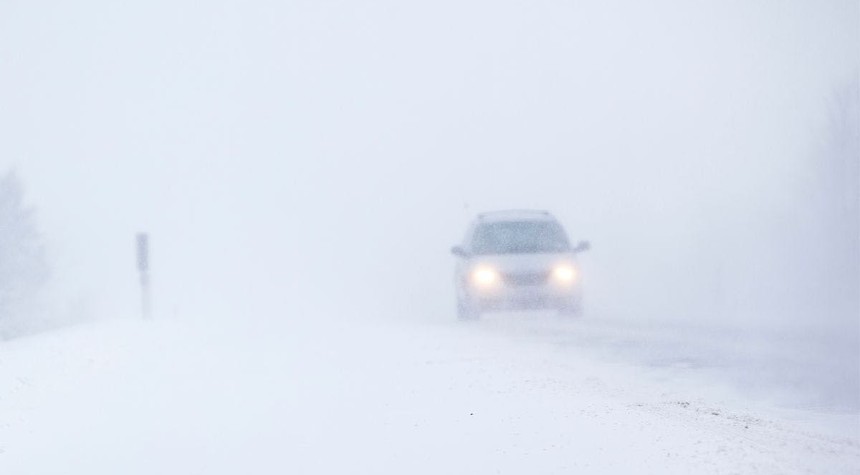
The severe weather forced the closure of major highway segments and prompted ski resorts across the Sierra to suspend operations. The California Highway Patrol issued warnings that visibility along mountain roads had dropped to near zero in numerous locations, cautioning motorists against unnecessary travel.
Authorities stressed that the current conditions represented more than mere inconvenience. Large avalanches were expected to continue across backcountry terrain through at least Wednesday morning, officials stated. Winter storm warnings remained in effect from southwest Oregon through much of northern California.
The incident serves as a stark reminder of the inherent risks associated with backcountry winter recreation, particularly during periods of extreme weather. As search efforts continue under treacherous conditions, the focus remains on locating the missing skiers while ensuring the safety of rescue personnel operating in an environment where the danger has not diminished.
Related: Man Recounts Tackling Shooter During Deadly Attack at Pawtucket Ice Rink
