
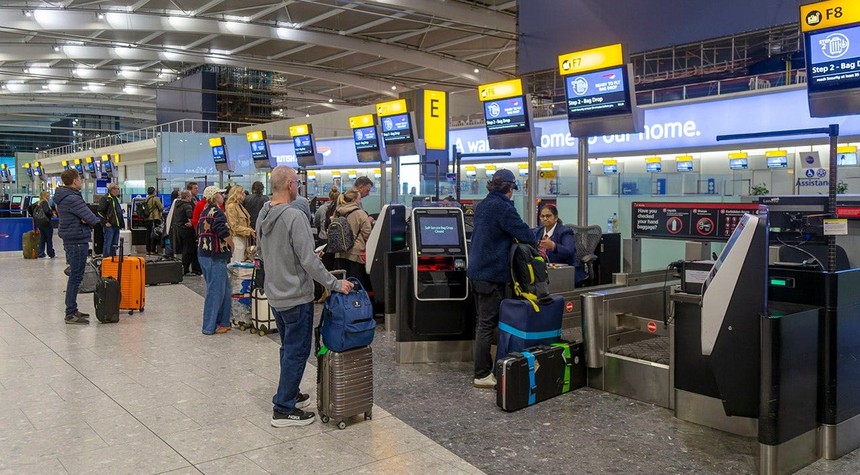
A technical malfunction at London’s Heathrow Airport last Friday left approximately 20,000 passengers without their luggage, marking the fifth such incident at Britain’s busiest airport since January.
The disruption occurred at Terminal 5, which serves as the primary hub for British Airways operations. Airport officials reported that a technical failure in the baggage handling system prevented luggage from being processed for several hours, creating substantial delays and leaving mountains of unclaimed suitcases scattered throughout sections of the terminal.
Passengers faced extended wait times, with many ultimately departing the airport without their belongings. The baggage system outage resulted in long queues and considerable frustration among travelers who had expected routine service from one of the world’s major aviation centers.
British Airways confirmed the incident and issued a statement addressing the ongoing difficulties. The airline noted that while Heathrow’s baggage system has returned to operational status, numerous customers who traveled on Friday remain separated from their luggage due to continued instability in the system as workers attempt to process the backlog of delayed bags.
The airline emphasized that Heathrow Airport owns and operates the baggage handling system, though British Airways has been coordinating closely with airport engineers to resolve the persistent technical issues. The carrier expressed regret for the inconvenience and stated that its teams are working continuously to reunite passengers with their belongings as expeditiously as possible.
The financial impact of these recurring failures has proven substantial. The five baggage system incidents that have plagued Heathrow since the beginning of the year have cost British Airways an estimated £10 million, approximately $13 million in American currency.
This pattern of technical failures raises serious questions about the reliability of critical infrastructure at one of Europe’s most important aviation hubs. Heathrow serves as a major gateway for transatlantic travel and handles millions of passengers annually. The repeated breakdowns suggest systemic problems that extend beyond isolated technical glitches.
For the traveling public, particularly those with connecting flights or time-sensitive business obligations, such disruptions represent more than mere inconvenience. Lost luggage can derail carefully planned itineraries and create cascading problems for travelers already navigating the complexities of international air travel.
The situation at Heathrow underscores broader concerns about aging infrastructure and the ability of major airports to maintain reliable service amid increasing passenger volumes. As air travel continues to recover to pre-pandemic levels, the capacity of airport systems to handle demand without repeated failures becomes increasingly critical.
British Airways and Heathrow Airport now face the challenge of restoring passenger confidence while addressing the underlying technical issues that have produced five separate failures in less than twelve months. The resolution of these problems will require more than temporary fixes if both the airport and airline hope to maintain their reputations as premier providers of international air service.
Related: Elderly California Man Critically Injured in Attack Outside Home Known for Political Displays
