
As Democrats prepare to assume control of both chambers of Congress in January, the technology industry finds itself bracing for intensified scrutiny, particularly regarding its relationships with the Trump administration. In response, major tech firms have begun recruiting former Democratic lawmakers and staffers to help navigate the political waters ahead.
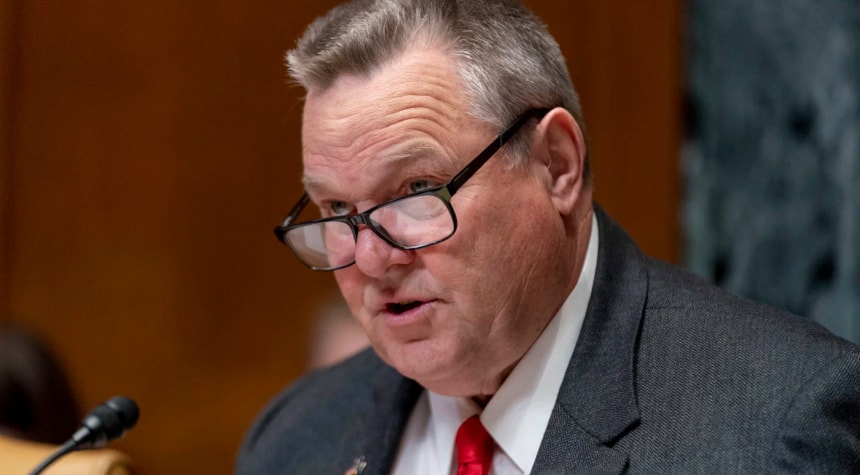
The latest such move comes from Palantir, the artificial intelligence and software company, which has brought aboard former Montana Senator Jon Tester. The Democrat, who lost his reelection bid in 2024, emphasized in an interview that his arrangement with Palantir is advisory rather than lobbying in nature.
Palantir has become a particular target of Democratic criticism during President Trump’s second term. Founded by billionaire Peter Thiel and named after the mythical seeing stones from J.R.R. Tolkien’s fantasy novels, the secretive company has faced accusations of enabling mass surveillance of American citizens and immigrants. Senator Ron Wyden of Oregon, along with thirty other Democratic lawmakers, demanded answers earlier this year about Palantir’s contracts with the Department of Homeland Security while Democrats were still in the minority.
The company has consistently denied these allegations, maintaining that it does not gather or manipulate data itself. Rather, Palantir contends, it creates organizational tools that allow government agencies and private companies to better manage their own information. The firm has publicly stated its commitment to protecting privacy and upholding liberal democratic values.
Senator Wyden’s office has indicated the Oregon Democrat remains unsatisfied with Palantir’s previous responses. As incoming chairman of the Finance Committee, Wyden intends to revisit these questions, with his staff noting that compulsory processes may be employed if the company proves unresponsive.
Tester, who served Montana in the Senate for eighteen years while also maintaining his organic farming operation, acknowledged the perception challenges facing his new employer. He stated that Palantir has a positive story to tell and expressed hope that lawmakers would prove receptive to hearing it.
The former senator’s past positions add an interesting dimension to his new role. Throughout his Senate tenure, Tester was a vocal critic of the PATRIOT Act, the post-September 11th legislation that expanded government surveillance powers. When asked about potential contradictions between his historical stance and his current position, Tester drew a distinction, asserting that Palantir does not build large databases or trade in private information. He insisted the company shares his commitment to privacy protection.
Palantir’s valuation has reached over three hundred fifty billion dollars, with the company holding approximately two billion dollars in federal contracts. The bulk of these agreements involve the Departments of Defense, Homeland Security, and State, though Palantir also maintains contracts with the Departments of Agriculture, Veterans Affairs, and Health and Human Services. Tester indicated his focus would be on the government services aspect of Palantir’s operations.
The company’s leadership has not shied away from political controversy. CEO and co-founder Alex Karp, who describes himself as a liberal, has been sharply critical of Democrats on immigration and artificial intelligence issues during Trump’s second term. Last year, more than a dozen former Palantir employees publicly criticized the company’s thirty million dollar contract with Immigration and Customs Enforcement, arguing it violated the firm’s own code of conduct.
Tester described the recent midterm election results as a Democratic tidal wave following two years of what he termed great disappointment in Congress. He predicted the incoming Democratic majorities would pursue different policies than those seen during the Republican Congress, particularly regarding ICE operations.
The hiring trend extends beyond Palantir, with multiple technology companies seeking Democratic connections as the party prepares to wield substantial oversight authority. Political observers note these firms possess considerable financial resources and appear willing to deploy them strategically to avoid meaningful accountability measures.
Related: Trump Relays Air Force Pilot Accounts of High-Speed Objects Beyond Current Aircraft Capabilities