
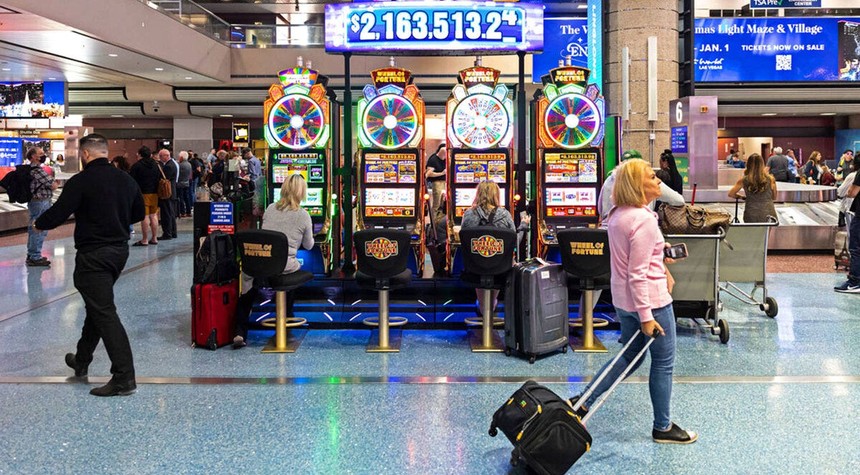
Las Vegas is confronting a notable decline in tourism, with newly released airport data revealing a significant drop in visitor numbers for November.
Harry Reid International Airport processed 3,956,419 domestic travelers in November, representing a decline of nearly ten percent compared to the previous year’s figure of 4,338,575 passengers. The downturn continues a troubling trend for the entertainment capital, which has long depended on consistent visitor traffic to sustain its gaming, hospitality, and entertainment industries.
The decline comes despite the city’s hosting of the Las Vegas Grand Prix last month, an event organizers had anticipated would provide a substantial boost to tourism numbers. The three-day Formula One race attracted more than 300,000 fans and sold out completely, marking what appeared to be a successful debut for the high-profile sporting event.
Emily Prazer, Chief Executive Officer of the Las Vegas Grand Prix, expressed satisfaction with the event’s execution and attendance figures. She emphasized the organization’s commitment to creating distinctive experiences that leverage Las Vegas’s unique entertainment culture while maintaining focus on the competitive racing element.
However, the event was not without its critics. Racing champion Max Verstappen, who drives for Red Bull Racing, characterized the Grand Prix as heavily weighted toward spectacle rather than sport. The racing star suggested the event prioritized entertainment value over athletic competition, estimating the balance at ninety-nine percent show and one percent sporting event.
Verstappen made clear his preference for focusing on racing performance rather than the promotional aspects that increasingly accompany modern Formula One events. While acknowledging that such promotional elements have become standard in certain venues, he noted they do not align with his personal interests or priorities as a competitive driver.
The tourism decline presents a challenge for Las Vegas officials, who have been exploring various strategies to revitalize visitor numbers. The city has built its economy on attracting millions of visitors annually, and sustained decreases in tourism could have far-reaching implications for employment, tax revenue, and economic growth throughout the region.
The November figures are particularly significant as they encompass a period that included a major international sporting event specifically designed to draw visitors. That tourism numbers declined despite this high-profile attraction suggests the challenges facing Las Vegas may be more complex than a simple shortage of entertainment options or special events.
As the city moves forward, officials and business leaders will be watching upcoming monthly data closely to determine whether the November decline represents a temporary fluctuation or the continuation of a more persistent trend. The tourism industry remains the cornerstone of the Las Vegas economy, and addressing any sustained downturn will require careful analysis and strategic planning.
Related: Brigitte Bardot Dies at 91 After Decades of Animal Rights Advocacy
