
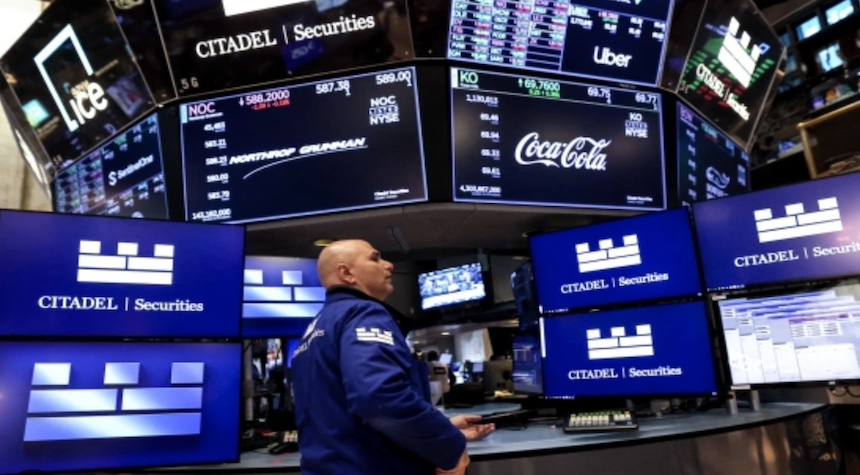
Global stock markets are experiencing turbulence following the implementation of President Donald Trump’s latest tariffs on multiple countries. The S&P 500 index has declined by 0.4%, while the Dow Jones Industrial Average has fallen 379 points, or 0.9%, as of 1:32 p.m. Eastern time today.
Concerns are mounting about the potential damage these tariffs may inflict on the economy, particularly in light of last week’s disappointing job market report. However, the situation is complex. Investors are balancing these worries against expectations of interest rate cuts by the Federal Reserve and strong profit reports from major U.S. corporations.
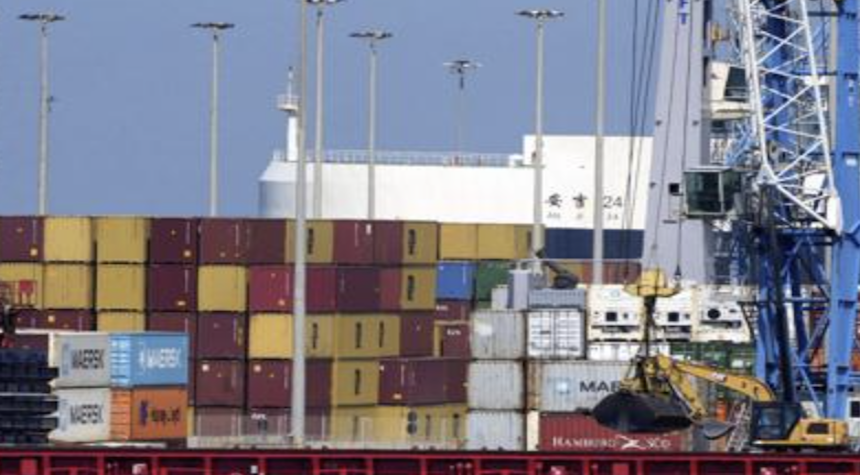
The tariffs that took effect this morning were anticipated and are lower than President Trump’s initial threats. Nevertheless, uncertainty persists as some nations continue negotiations to reduce the tax rates on their exports. This development follows earlier reports that the Bank of England has cut its main interest rate to stimulate the UK’s sluggish economy.
Economic indicators present a mixed picture. According to reliable sources, slightly more U.S. workers applied for unemployment benefits last week, potentially signaling an increase in layoffs. However, experts emphasize that these numbers remain within the normal range and do not necessarily indicate a recession. Simultaneously, a separate report suggests that U.S. worker productivity improved more than expected during the spring, which could support economic growth without exacerbating inflation concerns.
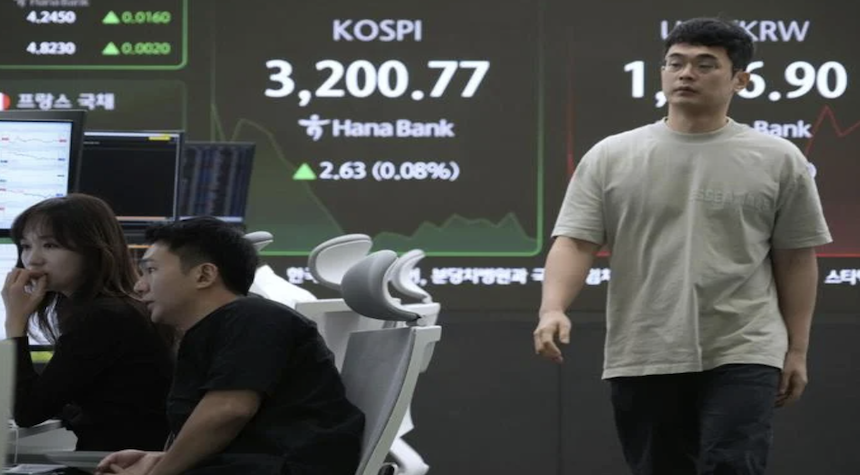
The significance of these tariffs becomes clear when we consider their potential impact on consumer prices. Many household and business purchases may become more expensive. In response, some large corporations are adapting their strategies. Apple, for instance, has announced plans to increase its investment in U.S. manufacturing by $100 billion over the next four years.
Proponents of the tariffs argue they will protect American industries and jobs, while critics warn of potential economic harm and retaliatory measures from other nations. The evidence suggests that the full impact of these trade policies remains to be seen, raising important questions about the future of global commerce and economic stability.
