
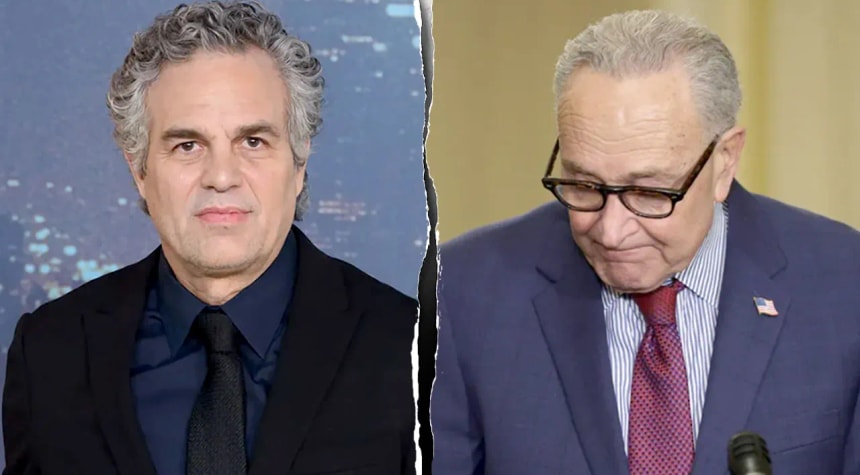
Actor Mark Ruffalo has drawn sharp criticism from across the political spectrum after publicly calling for Senator Chuck Schumer of New York to be replaced as Senate majority leader, citing what he termed the senator’s "entrenched religious beliefs and loyalties."
In a social media post this week, Ruffalo advocated for Senator Chris Van Hollen of Maryland to assume the leadership position, arguing that the Democratic caucus requires direction that follows "the will of the people not entrenched religious beliefs and loyalties." The four-time Academy Award nominee further stated that Van Hollen possesses the integrity and strength needed to combat what he described as "social and moral corruption that has set in with age-old presumptions."
The comments prompted immediate response from religious and political leaders who interpreted Ruffalo’s remarks as a veiled reference to Schumer’s Jewish background. Jonathan Greenblatt, the chief executive of the Anti-Defamation League, pressed the actor for clarification, asking directly which religion and which loyalties concerned him.
Rabbi Yaakov Menken of the Coalition for Jewish Values challenged Ruffalo’s characterization of Schumer as particularly devout, noting that many members of Congress hold strong religious convictions and suggesting that Senator Van Hollen maintains closer ties to religious institutions than Schumer does.
Ruffalo defended his position by citing remarks Schumer made at the American Israel Public Affairs Committee conference in 2018, where the senator referenced Torah-based claims to Israeli land. The actor maintained that while Schumer has the right to his religious beliefs, those beliefs cannot determine policy regarding other peoples or supersede international law.
The controversy has reignited debate about the intersection of religious identity and political loyalty in American public life. Brooke Goldstein, executive director of The Lawfare Project and founder of the movement to end antisemitism, described Ruffalo as "obsessively fixated" on Israel and accused him of invoking Jewish identity as grounds for political distrust.
Goldstein’s statement was unambiguous in its assessment. She characterized the incident as evidence that some activists no longer hesitate to question the loyalty of Jewish public officials, suggesting that Ruffalo’s criticism carries an unmistakable subtext about religious identity and trustworthiness.
Political commentator Meghan McCain also requested clarification from Ruffalo regarding his specific concerns about religious influence on leadership. The actor has not responded to multiple requests for comment, and Senator Schumer’s office has declined to address the matter publicly.
The incident occurs at a time when American Jewish communities have expressed growing concern about antisemitism in public discourse. More than 180 Jewish entertainers recently signed a letter supporting Ruffalo’s advocacy work, though that endorsement came before these latest controversial remarks.
The debate over Senate Democratic leadership remains unresolved, with no formal challenge to Schumer’s position announced. Democrats will control the Senate in the upcoming congressional session, making the question of leadership structure particularly significant for the party’s legislative agenda.
This episode serves as a reminder of the delicate balance political figures must strike when addressing matters of religion, identity, and policy in American public life. The coming days will reveal whether Ruffalo’s call for leadership change gains any traction within Democratic ranks or remains an isolated voice of dissent.
Related: New York Rapper’s Concert Ends in Chaos with Multiple Injuries at Terminal 5