
Nearly three decades after the fatal shooting of rapper Tupac Shakur on a Las Vegas street, a courtroom in that same city heard opening statements Monday in what prosecutors say will finally bring justice in one of hip-hop’s most notorious unsolved crimes.
Duane Davis, known by the street name “Keffe D,” sat before a jury at age 63, dressed in a blue suit and tie, charged with murder with a deadly weapon with the intent to promote, further, or assist a criminal gang. Davis has entered a plea of not guilty to the charges. If convicted, he faces life in prison.
The defendant appeared to survey the courtroom gallery before taking his seat beside his attorney, Michael Sanft, after the jury had been sworn and seated. Among those in attendance were members of Shakur’s family, including his stepbrother Maurice Shakur, who sat quietly in the front row behind the prosecution team.
Chief Deputy District Attorney Binu Palal began presenting the state’s case by showing jurors a photograph from the Mike Tyson boxing match that took place on September 7, 1996. That fight would prove to be the last public event Shakur attended before the shooting that would claim his life days later.
The trial represents a significant development in a case that has remained open for nearly thirty years, frustrating law enforcement and leaving questions unanswered for Shakur’s family and fans worldwide. The rapper, who was only 25 years old at the time of his death, had become one of the most influential voices in hip-hop music and had achieved both critical acclaim and commercial success before his life was cut short.
The prosecution’s decision to charge Davis with gang-related murder enhancement suggests that authorities believe the killing was connected to broader criminal enterprise activity. This charge carries particular weight under Nevada law and could prove central to the state’s case against the defendant.
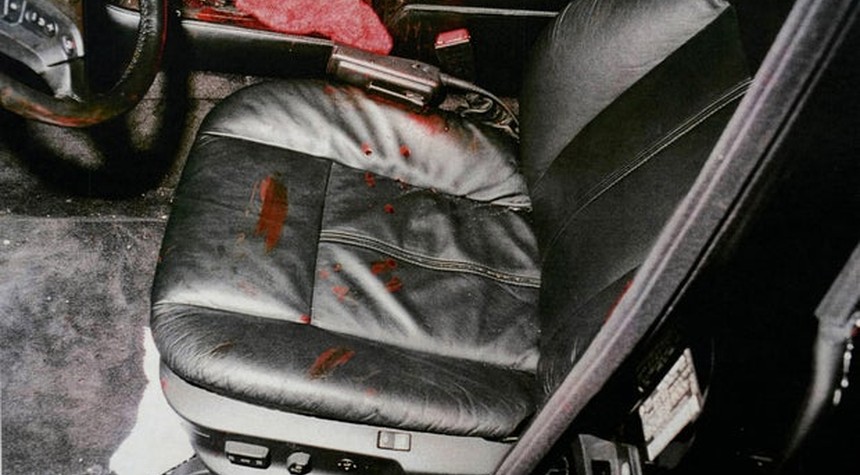
The weeks of testimony ahead are expected to revisit the events of that September night in Las Vegas, when Shakur was shot multiple times while sitting in a vehicle. He died from his injuries six days later at a local hospital. The case went cold for years despite intense public interest and numerous theories about who was responsible.
What changed the trajectory of this investigation remains to be seen as the trial unfolds. The prosecution will need to convince twelve jurors that Davis orchestrated the killing, a burden that requires proof beyond a reasonable doubt. The defense, meanwhile, will have its opportunity to challenge the state’s evidence and present its own case.
For those who have followed this case since 1996, the trial represents either the possibility of long-delayed justice or another chapter in a case marked by dead ends and disappointments. The courtroom proceedings will test whether the passage of nearly three decades has made it easier or more difficult to establish the truth about what happened that night in Las Vegas.
The trial is expected to continue for several weeks as both sides present their evidence and witnesses to the jury.
Related: Humanoid Robots Under Consideration for Border Patrol Operations
