
The University of Washington has removed the director of its Middle East Center following remarks in which he characterized Zionism as a “cancerous” force, a decision that comes amid heightened tensions on college campuses across the nation regarding Israel and Jewish students.
Professor Aria Fani was dismissed from his leadership position on March 27, according to university records. His removal followed the publication of statements in which he described Zionism in starkly inflammatory terms, comparing the Jewish nationalist movement to a malignant disease.
“Ultimately, I understand Zionism as a cancerous, a potentially fatal outgrowth in our planetary body: multiplying uncontrollably, invading healthy tissues, spreading, disrupting organs, stealing nutrients, and ultimately shutting vital systems down,” Fani wrote in the remarks that precipitated his removal.
The professor’s statements represent the latest in a series of incidents at American universities where faculty members and students have engaged in rhetoric that Jewish organizations characterize as crossing the line from legitimate political criticism into antisemitism.
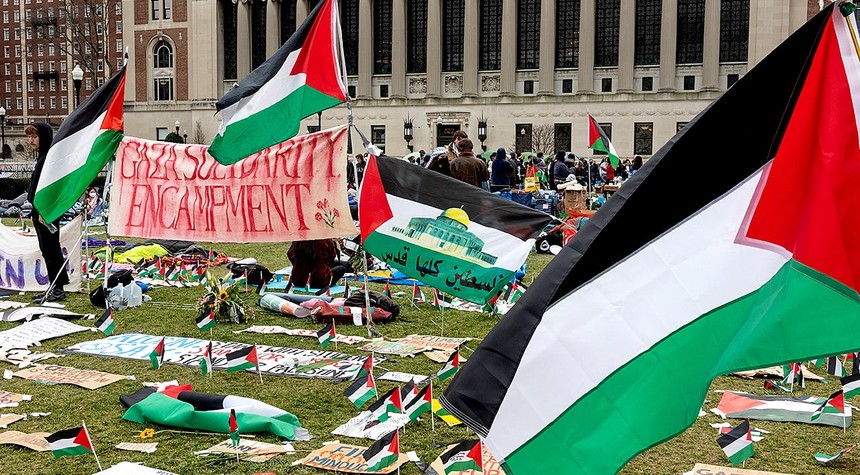
The removal at the University of Washington occurred against a backdrop of escalating campus unrest. At Stanford University in California, anti-Israel demonstrators occupied the offices of both the university president and provost this week. Similar protests have erupted at institutions across the country, including Columbia University in New York, where students established encampments on campus grounds.
At the University of Washington itself, authorities arrested thirty individuals after anti-Israel protesters occupied a university building. The pattern of occupation-style protests has become increasingly common as activists seek to pressure universities to divest from companies with ties to Israel.
Liora Rez, executive director of StopAntisemitism, has been tracking these campus incidents closely. Her organization has documented what it describes as a disturbing rise in antisemitic rhetoric and actions on college campuses, particularly since the outbreak of the current conflict in the Middle East.
The University of Washington has not issued a detailed public statement explaining the specific grounds for Fani’s removal from the directorship. However, the timing and circumstances suggest that university administrators determined his statements were incompatible with leading an academic center focused on Middle East studies.
The case raises questions about the boundaries of academic freedom and the responsibilities that come with leadership positions at public universities. While professors generally enjoy broad protections for their scholarly and political speech, administrative roles often carry different expectations regarding the ability to maintain institutional credibility and foster inclusive academic environments.
Jewish student organizations have expressed concern that such rhetoric contributes to a hostile climate for Jewish students on campus. They argue that comparing Zionism to cancer goes beyond political criticism and ventures into dehumanizing language that has historically been associated with antisemitic movements.
The situation at the University of Washington reflects broader national debates about how universities should balance free expression, academic freedom, and the need to maintain environments where all students feel safe and respected. As these tensions continue to play out on campuses nationwide, university administrators face increasingly difficult decisions about where to draw appropriate lines.
Related: Federal Judge Releases Alleged Suicide Note Written by Jeffrey Epstein
