
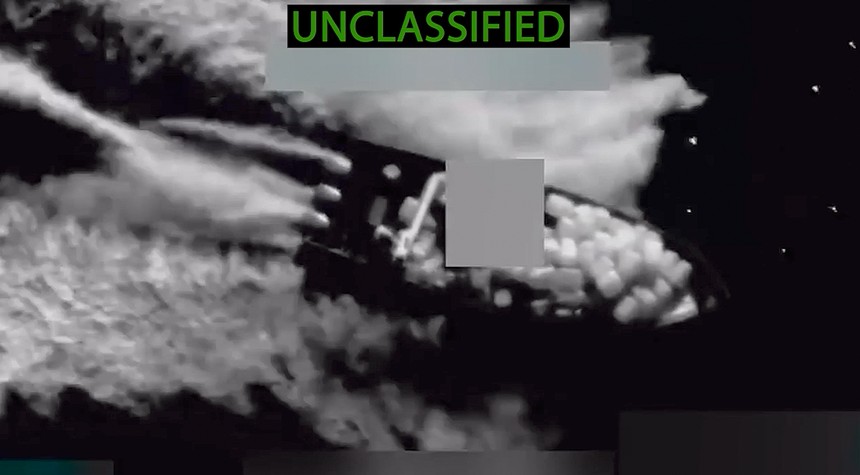
The Department of Defense has released previously classified surveillance images showing suspected drug-smuggling vessels intercepted at sea, marking nearly one year since the Trump administration initiated military strikes against narco-trafficking operations threatening American communities.
The newly declassified photographs, dated October 27, October 29, and December 4, 2025, depict high-speed boats moving through open waters under United States military surveillance. Several vessels appear laden with what defense officials describe as apparent narcotics.
Pentagon press secretary Kingsley Wilson delivered an unambiguous message to those engaged in drug trafficking. The United States government will continue to pursue and eliminate threats posed by individuals smuggling deadly illicit narcotics into American territory. Wilson emphasized that the resolve of American forces remains steadfast in protecting the homeland from these criminal networks.
Operation Southern Spear, as the campaign has been designated, has conducted sixty-seven strikes since its inception on September 2, 2025. Defense officials report that these operations have significantly disrupted trafficking networks and compelled smugglers to alter their methods of operation.
The most recent publicly acknowledged strike occurred on August 25, when United States Southern Command confirmed that four suspected drug smugglers were killed aboard a fast boat operating along known trafficking routes in the Caribbean Sea. Intelligence assessments confirmed the vessel’s active participation in narco-trafficking activities.
General Francis L. Donovan, commanding Joint Task Force Western Hemisphere, has outlined the military’s strategic approach to these operations. The task force will continue executing what Donovan characterizes as precise, lethal operations against cartel organizations. The general stated that American forces will hunt, disrupt, and defeat these criminal networks.
The military campaign has generated controversy in some quarters. Reports indicate that at least one Democratic senator has publicly criticized the Pentagon’s use of lethal force against drug trafficking vessels. However, defense officials maintain that all operations are conducted within lawful parameters and are essential to protecting American citizens from the deadly consequences of drug smuggling.
The surveillance images represent a rare public glimpse into ongoing military operations against drug trafficking in the Caribbean and Eastern Pacific regions. The release of these photographs appears calculated to send a clear deterrent message to criminal organizations operating in international waters.
Southern Command has expressed unwavering determination to continue these interdiction efforts. The command structure has made clear that trafficking operations threatening the American homeland will face military consequences.
The campaign represents a significant escalation in American counter-narcotics policy, employing military assets and lethal force against what officials categorize as narco-terrorist threats. Defense officials contend that traditional law enforcement approaches have proven insufficient against well-armed, sophisticated trafficking networks.
As this operation approaches its one-year anniversary, the Pentagon has signaled no intention of reducing the tempo of strikes against suspected smuggling vessels. The message from American military leadership remains consistent and direct: those who traffic in deadly narcotics and threaten American lives will face the full weight of United States military power.
Related: Trump Administration Escalates Economic Pressure on Iran With Banking Sanctions
