
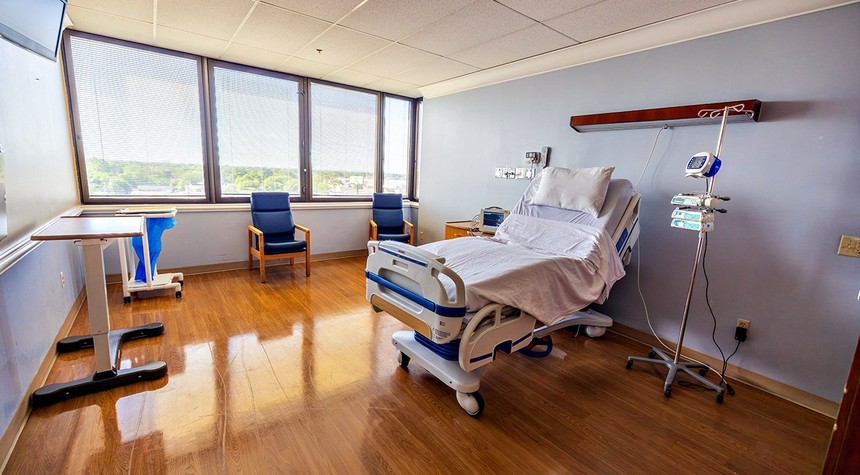
A Florida hospital has withdrawn its legal effort to remove a patient who remained in her hospital room for months after being medically discharged, following the woman’s departure from the facility.
Tallahassee Memorial HealthCare filed a voluntary dismissal of its lawsuit after the patient vacated the premises, ending an unusual standoff that had persisted since early October. The hospital had sought a court order authorizing the Leon County Sheriff’s Office to physically remove the woman from the room she occupied well beyond her medical need for hospitalization.
Hospital spokesperson Sarah Cannon confirmed Monday that the case has been closed, stating simply that the patient is no longer at the facility. A hearing that had been scheduled for Monday was canceled following the dismissal filing.
The case represents an uncommon intersection of healthcare law, property rights, and the complexities that can arise when patients refuse to comply with discharge orders. While hospitals routinely discharge patients who no longer require acute medical care, they rarely resort to legal eviction proceedings to enforce such decisions.
The circumstances that led to the woman’s extended stay remain unclear, as does the question of what ultimately prompted her departure after months of resistance. Healthcare facilities across the nation occasionally face situations where patients have nowhere to go upon discharge, whether due to homelessness, lack of family support, or insufficient post-acute care options. However, such situations typically result in social services intervention rather than eviction lawsuits.
The legal action raised questions about the extent of a hospital’s authority over patients who are medically cleared for discharge but refuse to leave. Hospitals operate as private property, yet they also function under unique regulatory frameworks that govern patient care and rights. This dual nature can create ambiguity when standard discharge procedures fail.
Tallahassee Memorial HealthCare, a regional medical center serving Florida’s capital city and surrounding areas, faced the prospect of maintaining a hospital bed for someone who did not require medical treatment while potentially turning away patients in genuine need of acute care. The situation also raised concerns about healthcare costs, as the prolonged stay likely generated significant expenses.
The resolution of this matter, while ending the immediate legal dispute, leaves broader questions unanswered about how healthcare facilities should handle similar situations in the future. As hospitals nationwide grapple with capacity constraints and resource allocation challenges, the balance between patient rights and institutional needs continues to evolve.
The voluntary dismissal suggests both parties found a resolution preferable to continued litigation, though the specific terms or circumstances of the patient’s departure have not been disclosed.
Related: Masked Vandal Spray-Paints Death Threat Against ICE Agents on Federal Building in Los Angeles
