
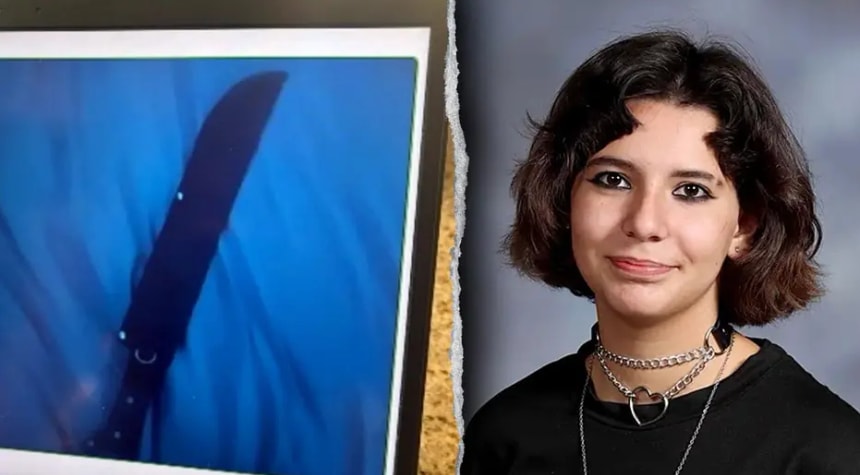
In a remarkable convergence of modern technology and old-fashioned citizen vigilance, a Colorado teenager playing an online video game became instrumental in helping federal investigators locate a missing girl who had vanished from Utah eighteen months earlier.
Kylie Arellano was fifteen years old when she disappeared from Garden City, Utah, in May of last year. The FBI found her this month in Huntington, Oregon, hundreds of miles from her home, and took a thirty-nine-year-old man, Adam Hunter Harmel, into custody.
The break in the case came through an unlikely channel. A teenage boy and his mother, Khristina Tresp, were playing the popular online game "Among Us" when they struck up a conversation with another player who identified herself as Arellano. During their exchange, the girl revealed that she was a runaway being held against her will by an older man who was harming her. The Tresp family immediately contacted authorities.
According to a federal criminal complaint, Harmel allegedly forced the victim to sleep in the same bed with him, kept a knife under his pillow, and positioned her against the wall to prevent escape. The complaint paints a disturbing picture of captivity and control that lasted for more than a year.
What followed was a methodical effort by Tresp to pinpoint the victim’s location. Arellano provided information about where she was being held, and Tresp set about trying to match it to an actual address. Using online resources, Tresp compiled a series of photographs of various homes that fit the description. She sent these images to Arellano through the game’s communication system, and through a process of elimination, they identified the correct house.
The following day, Tresp contacted Arellano’s mother directly. Shortly thereafter, the FBI reached out to Tresp to follow up on the information she had gathered. Federal agents were able to locate and rescue the girl, bringing an end to her eighteen-month ordeal.
This case demonstrates both the potential dangers that exist in our increasingly connected world and the unexpected ways that same connectivity can serve as a lifeline. Video games have become a primary social platform for young people, creating both opportunities and risks that previous generations never encountered.
The circumstances also highlight the importance of parental involvement and awareness. The Tresp family’s decision to take the girl’s plea seriously and act immediately likely made the difference between continued captivity and rescue. In an age when online interactions can seem ephemeral or disconnected from reality, this family recognized a genuine cry for help and responded appropriately.
As federal prosecutors move forward with their case against Harmel, the details that emerge will likely raise further questions about how a teenage girl could remain missing for such an extended period and what systems might have failed in locating her sooner. Those are questions that deserve serious examination as this case proceeds through the justice system.
For now, a missing child has been found and returned to her family, thanks in no small part to the vigilance of strangers who recognized that a message sent through a video game was not merely part of the entertainment, but a genuine call for help.
Related: Russell Brand Faces Potential Sanctions After Message Released From Prison
