
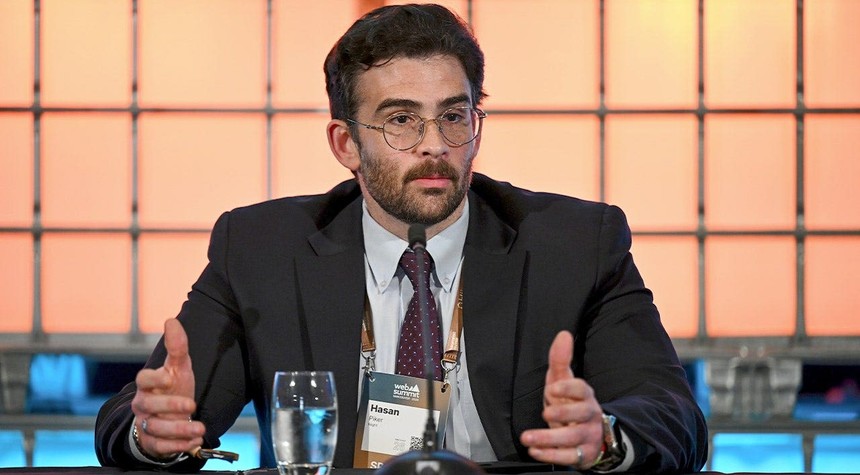
A prominent left-wing internet personality has drawn sharp criticism following an interview in which he described the September 11, 2001 terrorist attacks as “blowback” for American foreign policy and characterized Osama bin Laden as a “spoiled brat.”
Hasan Piker, a progressive commentator with a substantial following on streaming platforms, made the controversial remarks during a lengthy discussion about American foreign policy in the Middle East. His comments have renewed scrutiny of his political views and their influence on younger audiences.
During the interview, Piker discussed bin Laden’s stated motivations for targeting the United States, including American support for Israel, oil policies in the region, and military bases in the Middle East. He referenced the historical relationship between bin Laden and American intelligence services during the Soviet-Afghan War, when the United States provided training, funding, and weapons to mujahideen fighters.
“The action was so heinous and so violent that, and also given his position as formerly an American ally, I think that he came across a little bit more as a spoiled brat that wasn’t getting his way,” Piker stated, adding that bin Laden maintained connections with backers in the Saudi royal family.
The commentator characterized the September 11 attacks, which claimed nearly 3,000 American lives, as a “horrifying tragedy” while simultaneously describing them as blowback for American actions abroad. He attempted to distinguish between blowback and justification, stating that blowback “is just what it is” and does not represent moral acceptance of the terrorist acts.
Piker advocated for reduced American involvement in Middle Eastern affairs, suggesting that less interference would create fewer individuals seeking revenge against the United States. “The other path of least resistance is to not interfere in these affairs in general and not continue to dominate and create an environment where people are going to seek out revenge and put us in a position of danger,” he said.
The controversy extends beyond these specific remarks. Piker has faced previous criticism for statements comparing the United States to Al Qaeda on a comparative basis, comments that many found deeply offensive to the memory of those killed in terrorist attacks and disrespectful to American service members who have fought against terrorism.
These latest comments arrive at a politically sensitive time, as they have drawn attention to political figures who maintain associations with similarly controversial voices. The incident highlights ongoing debates about the boundaries of political commentary and the responsibility that comes with influence over large audiences, particularly younger demographics who consume content through streaming platforms.
The remarks have generated significant backlash from those who view such characterizations as fundamentally misrepresenting the nature of terrorism and American foreign policy. Critics argue that framing the deliberate murder of thousands of innocent civilians as a predictable response to policy decisions provides intellectual cover for terrorism and demonstrates a profound misunderstanding of the threats facing the nation.
The controversy serves as a reminder of the enduring sensitivity surrounding the September 11 attacks and the strong reactions generated when public figures appear to contextualize or rationalize terrorism in any form.
Related: Moderna’s mRNA Flu Shot Approved for Americans 50 and Older
