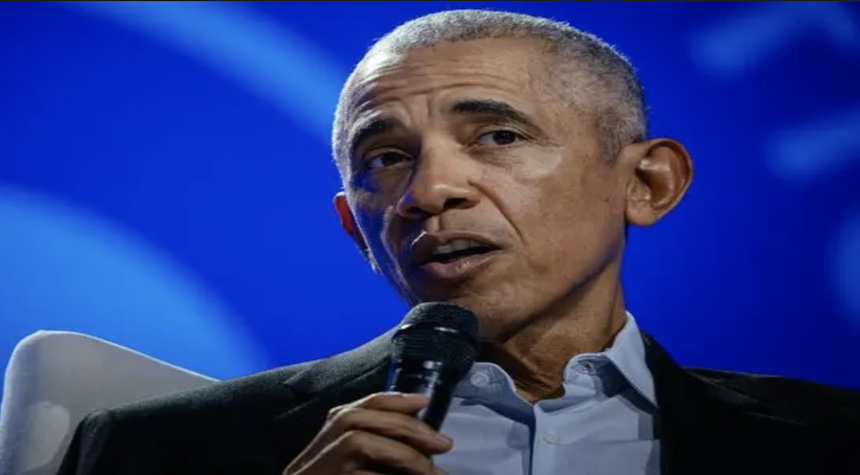
Former President Barack Obama has addressed recent acts of political violence, calling for a return to civil discourse and condemning extremism on all sides.
Obama spoke at the Jefferson Educational Society, described the murder of conservative commentator Charlie Kirk as “horrific” and “a tragedy.” The former president extended similar condolences for the shooting of Democratic state legislators in Minnesota, emphasizing that such violence threatens the foundations of American democracy.
Related: After Assassination, JD Vance Steps In to Host The Charlie Kirk Show
Obama stressed the importance of disagreement without resorting to violence, stating, “The central premise of our democratic system is that we have to be able to disagree and have sometimes really contentious debates without resort to violence.” He further noted that while he disagreed with Mr. Kirk’s ideas, this did not diminish the tragedy of his death.
The former president praised Utah’s Republican Governor Spencer Cox for his handling of the aftermath of Kirk’s murder. This commendation crossed party lines, with Mr. Obama noting Governor Cox’s approach to engaging with political adversaries as an example of maintaining civility in public debate.
The significance becomes clear when we consider Obama’s comments on the current political climate. He expressed concern over what he perceives as the targeting of political enemies by the current administration, stating, “When I hear not just our current president, but his aides, who have a history of calling political opponents ‘vermin’, enemies who need to be ‘targeted,’ that speaks to a broader problem that we have right now.”
Obama distinguished his administration’s approach from the current one, asserting that he did not empower or embrace extremist views during his tenure. He emphasized the role of the presidency in unifying the nation, saying, “Part of the role of the presidency is to remind us of the ties that bind us together constantly.”
This raises important questions about the nature of political discourse in America and the responsibilities of leadership in times of heightened tension. As the situation continues to develop, it is clear that the debate over civility and extremism in American politics remains at the forefront of national concern.