
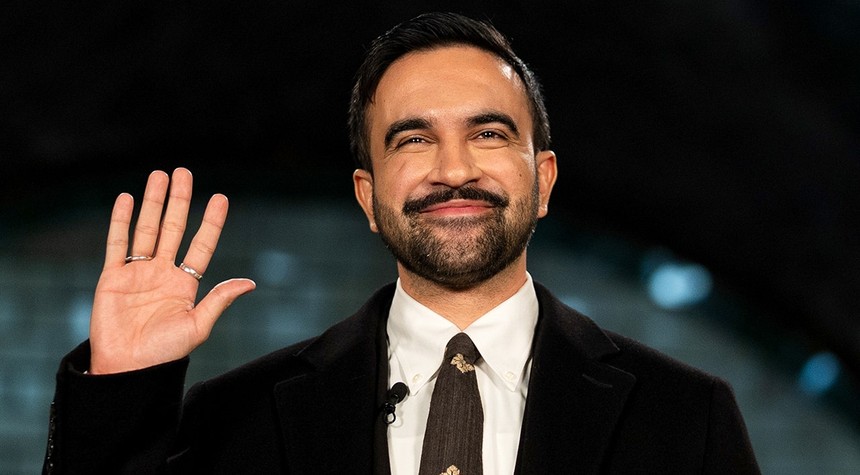
New York City welcomed its first Muslim mayor in the early hours of Thursday morning as Zohran Mamdani took the oath of office at the historic Old City Hall subway station. The ceremony, conducted just after midnight, preceded a larger public inauguration scheduled for later at City Hall.
The swearing-in marks a significant milestone for the nation’s largest city, but the celebration comes with immediate complications for the self-described democratic socialist who campaigned on a promise that now appears difficult, if not impossible, to fulfill.
During his campaign, Mamdani made a central pledge to New York voters: he would make the city’s bus system both faster and free of charge. The promise resonated with countless commuters who struggle daily with transportation costs in one of America’s most expensive cities. However, a fundamental obstacle stands in the way of this commitment.
The Metropolitan Transportation Authority, a state agency rather than a city entity, maintains operational control over New York’s bus system. This jurisdictional reality means the new mayor lacks the direct authority to implement fare-free bus service, regardless of his intentions or the mandate he believes he received from voters.
The timing of this revelation proves particularly unfortunate for the incoming administration. Rather than seeing relief from transportation costs, New York riders will face fare increases in the coming days. The price hikes, already scheduled by the Metropolitan Transportation Authority, will take effect while the new mayor settles into office.
This situation raises questions about the thoroughness of Mamdani’s campaign planning and whether voters were adequately informed about the structural limitations facing their next mayor. The promise of free bus service appealed to working-class New Yorkers struggling with inflation and rising costs of living, but the reality of government bureaucracy and jurisdictional boundaries presents a stark contrast to campaign rhetoric.
The Metropolitan Transportation Authority operates as an independent public benefit corporation, answering primarily to the state government rather than city officials. While the mayor may advocate for policy changes and negotiate with state authorities, unilateral action on bus fares remains beyond his reach.
Mamdani’s choice of venue for his midnight swearing-in ceremony carried symbolic weight. The Old City Hall station, a beautifully preserved piece of New York’s transit history, has been closed to regular passenger service since 1945. The location emphasized the new mayor’s focus on public transportation, even as the practical challenges of his agenda became apparent.
The incoming administration will need to navigate the complex relationship between city and state government if it hopes to achieve any version of its transportation goals. Success will require cooperation from state officials and the Metropolitan Transportation Authority board, neither of which the mayor controls directly.
For New York’s commuters, the immediate future brings higher costs rather than the promised relief. Whether the new mayor can eventually deliver on his campaign vision remains to be seen, but the early days of his administration already highlight the gap between political promises and governmental reality.
And that is the way it is.
Related: Jim Beam Suspends Kentucky Distillery Operations as American Drinking Habits Shift
