
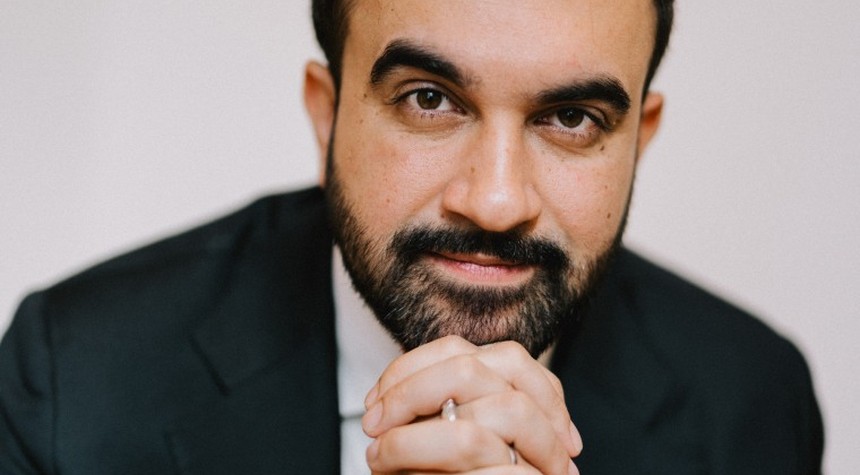
New York City stands at a historic crossroads as Zohran Mamdani prepares to assume the office of mayor on January 1st. His election represents more than a political milestone. It marks the first time a Muslim will lead America’s largest city, and more specifically, the first time a Shia Muslim will hold such a prominent position in American politics.
The significance of this distinction cannot be understated. While Muslim Americans have gradually increased their representation in public office over the past two decades, the Shia community has remained largely absent from the highest echelons of political power. This absence has been felt acutely by Shia Muslims who comprise a minority within Islam itself, often finding themselves marginalized not only in broader American society but within their own faith communities.
On election night, scenes of celebration erupted across Astoria, a diverse Queens neighborhood with a substantial Muslim population. Car horns echoed through the streets as results confirmed Mamdani’s victory. For many Shia Muslims watching the returns, the moment carried profound personal meaning.
Fizza Jaffari, a 33-year-old New Yorker, described the atmosphere as electric and unprecedented. She noted that members of her community rarely see themselves represented in positions of significant political authority, making Mamdani’s achievement all the more remarkable.
The mayor-elect himself has been forthright about the role his faith played in shaping his worldview. In a recent interview, Mamdani credited his paternal grandparents with instilling lessons about justice, dignity, and opposition to oppression through the lens of Shia identity. He emphasized that these teachings extended beyond religious doctrine to encompass fundamental principles of human decency and moral responsibility.
The sectarian divide between Shia and Sunni Muslims, which originated in the seventh century following disagreements over rightful succession after the Prophet Muhammad’s death, continues to influence social dynamics within Muslim communities today. This historical schism has created practical challenges for American Shia Muslims in their daily lives.
Maira Raza, 32, recounted her own experiences navigating these divisions. She described occasions when revealing her Shia identity to Sunni friends resulted in ostracism or feelings of alienation. She noted that sectarian considerations have even complicated her prospects for marriage within the broader Muslim community.
These personal testimonies illuminate a larger reality about religious minorities within minorities. The Shia community’s experience in America reflects the complex layers of identity that immigrants and religious communities must navigate in a pluralistic society.
As Mamdani prepares to govern a city of more than eight million residents, his election has already begun to reshape conversations about faith, identity, and belonging among New York’s diverse Muslim population. Whether his mayoralty will bridge longstanding sectarian divides or simply provide representation for a previously overlooked community remains to be seen.
What is certain is that his victory represents a significant moment in the ongoing story of American pluralism and the gradual expansion of political representation to include voices that have historically been excluded from power. The true measure of this historic moment will be determined not by symbolism alone, but by the governance that follows.
Related: Honduran National Arrested After Colliding With ICE Vehicle in Louisiana
