
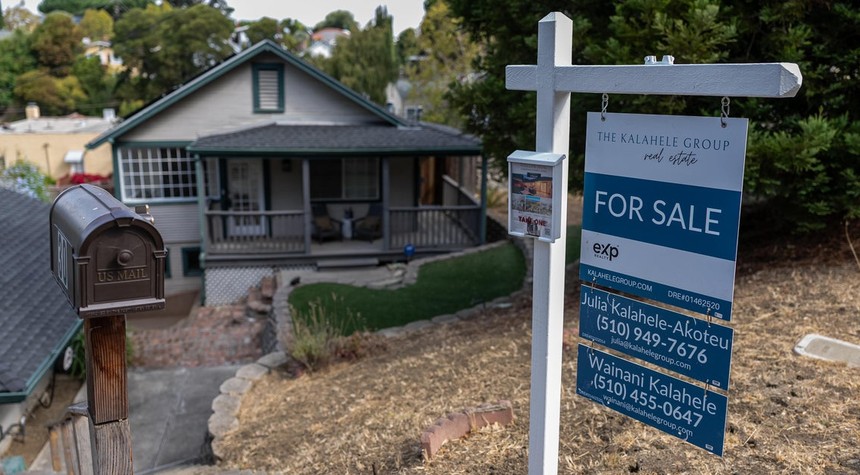
The American dream of homeownership continues to slip further from reach for millions of families as mortgage rates climb to their highest levels in nearly a year, creating what housing economists describe as a bind affecting both sides of the real estate market.
Thomas Louis and his wife exemplify the struggle facing prospective homebuyers across the nation. Over three years, the New Jersey couple has submitted fifteen offers on properties, employing every strategy recommended by real estate professionals: bidding above asking prices, waiving inspection contingencies, and compromising on their requirements. Yet they remain renters. The 34-year-old graphic design studio co-owner describes feeling “despondent” about the protracted search, telling reporters that the process feels like “trying to climb out of a hole somebody else is digging.”
The average rate for a 30-year fixed mortgage reached 6.95 percent this week, according to Freddie Mac data, marking the eleventh consecutive week of increases and the highest rate since January. Just one week prior, rates stood at 6.76 percent. This steady climb has created mounting pressure on American families attempting to enter the housing market while simultaneously reducing the pool of qualified buyers for those attempting to sell properties.
The fundamental driver of these elevated mortgage rates lies in the bond market. The 10-year Treasury note, which mortgage rates track closely, reached its highest level since 2007 earlier this week. Analysts point to three primary factors: persistent inflation concerns, heightened geopolitical tensions stemming from conflict in Iran, and the continuing expansion of federal government debt.
According to housing market data, approximately 80 percent of weekly mortgage rate movements in recent years have directly corresponded to changes in the 10-year Treasury yield. The typical spread between these two financial instruments has remained around two percentage points throughout 2026, meaning that Treasury market volatility translates almost directly into fluctuating home borrowing costs.
The Federal Reserve’s recent decision to raise interest rates by a quarter percentage point, the first such increase in three years, has added another layer of complexity to the housing market equation. While the Fed’s benchmark rate does not directly determine mortgage rates, it influences the broader cost of borrowing throughout the economy. Central bank officials have indicated additional rate increases may occur later this year, with some economists projecting two more quarter-point hikes at upcoming policy meetings.
Matt Schulz, a consumer finance analyst, summarized the situation plainly: rising mortgage rates make it “harder for folks to be able to afford a house in an already challenging time. It’s not a great thing for anybody.”
The current environment has indeed created difficulties on both sides of real estate transactions. Buyers face higher monthly payments that push homeownership beyond their financial reach, while sellers discover fewer qualified purchasers, forcing many to reduce asking prices or withdraw properties from the market entirely.
For middle-class Americans like the Louis family, who have demonstrated persistence and financial flexibility, the message from the housing market remains frustratingly consistent: even doing everything right may not be enough in an economy where the fundamentals continue working against aspiring homeowners.
The situation represents a significant challenge for policymakers seeking to maintain broad access to homeownership, long considered a cornerstone of American middle-class stability and wealth building.
Related: Trump’s Chief of Staff Completes Successful Cancer Treatment
